Entertainment
Tatsuya Shiba: Character, Powers, Story, and Role in The Irregular at Magic High School

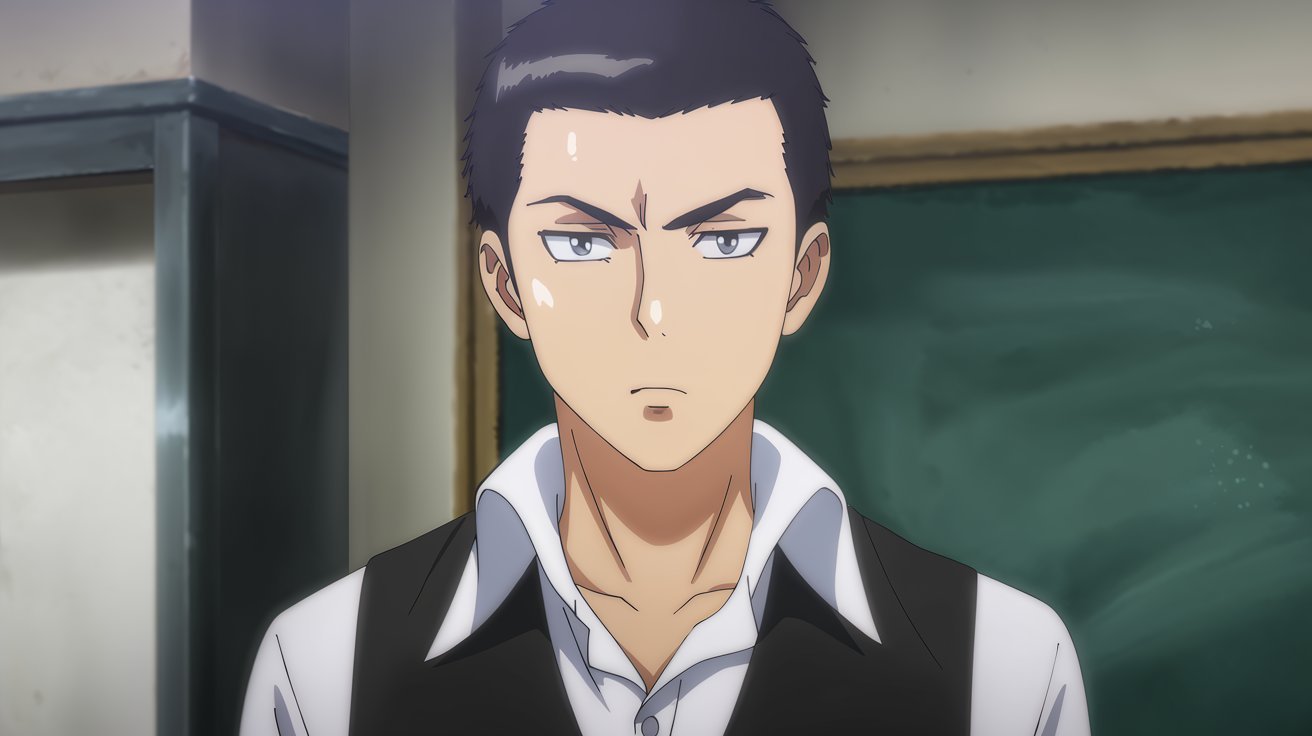
Tatsuya Shiba is the central protagonist of The Irregular at Magic High School (Mahouka Koukou no Rettousei), the science-fantasy series created by Tsutomu Sato. Set in a future where magic has developed into a sophisticated form of technology, the story follows Tatsuya and his younger sister Miyuki as they enter Japan’s First Magic High School.
Tatsuya is particularly unusual because his apparent weakness at school does not accurately represent his overall abilities. The official anime character profile describes him as a member of the prestigious Yotsuba family, a student at First High, a highly capable combatant, and a magician specializing in Decomposition and Regrowth. The English publisher Yen Press likewise describes the series’ premise as a world in which magic has become a technological discipline and Tatsuya enters First High in a lower course than his exceptionally talented sister.
Who Is Tatsuya Shiba?
Tatsuya Shiba is the older brother of Miyuki Shiba and a direct descendant of the powerful Yotsuba family. His family background plays a major role in the story because the Yotsuba are one of the influential magician families within the series’ society.
At First High, however, Tatsuya initially receives a reputation that seems inconsistent with his true capabilities. His practical magic performance is relatively poor by the school’s conventional standards, leading to his placement in Course 2, while Miyuki enters the prestigious Course 1. This distinction creates the central contrast behind the Japanese title’s concept of the “irregular” student.
The official character profile explains that Tatsuya’s apparent lack of conventional magical ability exists alongside exceptional skill in Decomposition and Regrowth, as well as strong physical and combat abilities. His academic strengths also extend into technical areas such as CAD design, an important part of the series’ technological approach to magic.
Tatsuya and Miyuki Shiba
The relationship between Tatsuya and Miyuki is one of the most important elements of the story. They are siblings who attend the same school, but their reputations are dramatically different.
Miyuki possesses outstanding magical talent and enters Course 1 as one of First High’s elite students. Tatsuya, by comparison, is initially treated as a less capable magician because the standard practical examinations do not measure his unusual abilities effectively. Yen Press summarizes this contrast by describing Miyuki as a top student while Tatsuya is placed in the lower course despite the circumstances surrounding his abilities.
Tatsuya also has a strong protective role toward Miyuki. This connection is connected to the unusual circumstances of his childhood and his position within the Yotsuba family. Official character information explains that Tatsuya was raised in a role centered around protecting his sister, contributing to his reserved personality and sense of responsibility.
Their relationship also drives many major developments throughout the series, particularly as questions surrounding the Yotsuba family and Tatsuya’s origins become increasingly important.
Tatsuya Shiba’s Magic Abilities
One of the most interesting aspects of Tatsuya Shiba is that his abilities do not fit neatly into the conventional ranking system used by the school.
His signature abilities include Decomposition and Regrowth. Decomposition allows him to break down magical phenomena or objects, while Regrowth allows him to restore a previous state under the rules established by the series. These abilities are particularly significant because they provide Tatsuya with capabilities that ordinary magical examinations do not adequately measure.
The official third-season character profile specifically identifies Decomposition and Regrowth as Tatsuya’s specialties. It also notes his strong physical combat ability, showing that his effectiveness does not depend entirely on conventional magic.
Tatsuya is also associated with highly advanced technical knowledge. His ability to understand and work with CADs, the technological devices used to activate magic in the series, allows him to approach magical problems from an engineering perspective.
Tatsuya as a Combatant and Military Figure
Although The Irregular at Magic High School takes place primarily around a high school, its story includes military and geopolitical conflicts. Tatsuya is therefore involved in situations that extend far beyond ordinary school competitions.
The official character profile states that Tatsuya belongs to the Independent Magic-Equipped Battalion of the 101st Independent Magic-Equipped Brigade of the National Defense Army. His involvement in the Yokohama Disturbance is another important part of his character development.
This military connection helps explain why Tatsuya’s abilities are treated as strategically important. His knowledge, magical capabilities, engineering skills, and combat training combine to make him an unusual figure within the world of the series.
The story uses this contrast effectively: at school, Tatsuya can appear to be an underperforming student, while outside conventional classroom measurements he possesses abilities that attract considerable attention.
Tatsuya’s Personality and Character Development
Tatsuya is generally portrayed as calm, analytical, disciplined, and emotionally restrained. He rarely reacts dramatically to situations, preferring to observe circumstances and determine the most practical response.
His personality is closely connected to his upbringing. Official background material describes him as having very limited emotional expression and as having been raised under unusual circumstances as Miyuki’s guardian.
Rather than being written as a conventional school protagonist, Tatsuya often approaches problems through analysis and preparation. He is interested in technical subjects and can understand complex systems quickly. This makes his character particularly different from protagonists whose primary strengths are emotional spontaneity or conventional heroic traits.
His development throughout the series is also tied to his understanding of his own identity, his family, and the political and military significance of his abilities.
Tatsuya Shiba in the Anime and Light Novels
Tatsuya first appeared in Tsutomu Sato’s original light-novel series and subsequently became the central character of the anime adaptation. The English edition is published by Yen Press, which classifies the series across genres including science fiction, fantasy, action, adventure, and drama.
The anime’s official character pages continue to identify Yūichi Nakamura as Tatsuya’s Japanese voice actor. The character has appeared throughout the major anime adaptations, while the light novels provide a much broader narrative covering his background and later developments.
The franchise remains active in 2026. Yen Press lists Volume 26 with a February 10, 2026 release and Volume 27, Sudden Change Arc with a September 8, 2026 release. The publisher’s current series page lists the series through Volume 27, demonstrating that the broader Irregular at Magic High School story continues beyond the earlier anime material.
Why Tatsuya Shiba Remains an Important Character in 2026
Tatsuya Shiba remains central to the franchise because his character combines several themes that define The Irregular at Magic High School: technology, magic, family, social hierarchy, military power, and personal identity.
His unusual position as a student who appears weak according to conventional measurements but possesses highly specialized abilities is the foundation of the series’ central premise. His relationship with Miyuki adds another important dimension, while his connection to the Yotsuba family expands the story beyond the school environment.
By 2026, the continuing publication of the light novels means that Tatsuya’s story remains part of an active franchise rather than simply a completed anime-era character. The latest English publisher listings show that Volume 27 continues the broader narrative involving Tatsuya and other major characters.
Final Thoughts
Tatsuya Shiba is a distinctive protagonist whose apparent status as an underperforming magic student hides an extraordinary combination of magical, technical, and combat abilities. His specialization in Decomposition and Regrowth, connection to the Yotsuba family, engineering knowledge, and protective relationship with Miyuki make him central to the story’s development.
From his beginnings at First High to his involvement in larger military and family conflicts, Tatsuya represents the series’ central idea that conventional measurements do not always reveal a person’s true capabilities. With the The Irregular at Magic High School light novels continuing into 2026, Tatsuya remains one of the defining characters of the franchise and an important figure in its ongoing story.
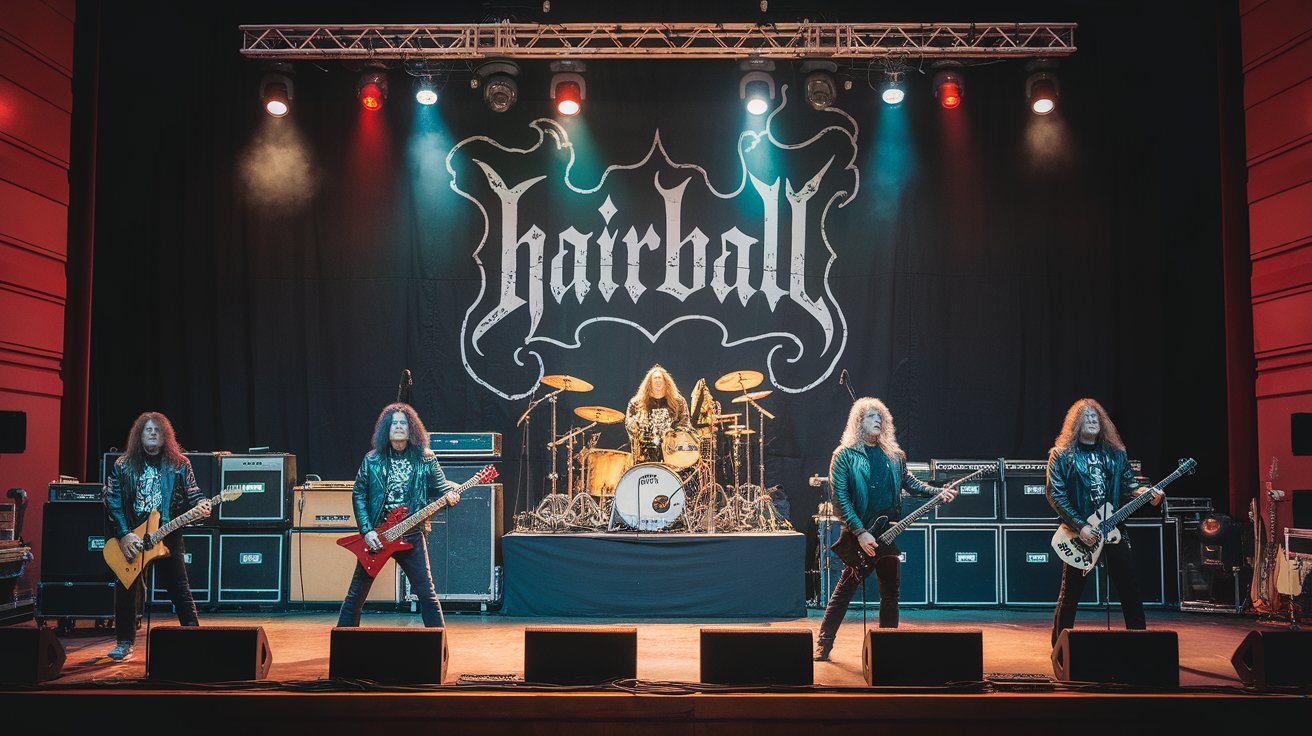
Hairbangers Ball is a Chicago-founded 1980s hair rock tribute band known for recreating the sound, style, energy, and theatrical atmosphere associated with one of rock music’s most recognizable eras. Formed in 2001, the group developed from an idea about bringing the excitement of 1980s hair metal back to live audiences and eventually became a touring act performing throughout the United States. The band’s official website describes it as Chicago’s 80s cover band and notes a history of performing more than 150 shows per year for many years.
For music fans searching for Hairbangers Ball in 2026, the band remains active with performances scheduled across the Midwest and beyond. Current listings include shows in Illinois and Indiana, with the official site showing additional 2026 dates. The band’s appeal comes from more than simply playing familiar songs: its performances are built around big vocals, electric guitars, costumes, theatrical presentation, and the energetic atmosphere of classic 80s rock concerts.
What Is Hairbangers Ball?
Hairbangers Ball is a live tribute act specializing in the music and visual culture of 1980s hair rock and glam metal. The group was established in Chicago in 2001 and has built its identity around recreating the larger-than-life concert experience associated with the decade.
The 1980s produced numerous rock acts whose music became closely connected with MTV, arena concerts, elaborate hairstyles, colorful clothing, guitar solos, and powerful vocal performances. Hairbangers Ball takes those elements and turns them into a live entertainment experience designed for audiences who remember the original era as well as younger listeners discovering the music today.
According to the band’s official biography, Hairbangers Ball was created from a “what if?” idea and grew into an act that has performed extensively across the United States. The group says its show has been in demand for clubs, private parties, and corporate events, demonstrating that its format can work in different types of venues.
The band is therefore more than a conventional cover group. Its identity is based on the combination of music and spectacle, with the goal of making an 80s rock show feel like an event rather than simply a collection of songs.
The Music and Bands Behind the Show
The musical foundation of Hairbangers Ball comes from the hard rock, glam metal, and hair metal sounds that dominated many rock playlists during the 1980s. The band’s repertoire has included songs associated with major artists such as Guns N’ Roses, Mötley Crüe, Bon Jovi, Poison, Def Leppard, Scorpions, and other rock acts.
Setlist records from 2026 illustrate the breadth of the band’s performance style. A reported August 2026 set included songs such as “Nothin’ but a Good Time,” “Panama,” “Round and Round,” “Rock You Like a Hurricane,” “Welcome to the Jungle,” “You Give Love a Bad Name,” “Rock of Ages,” “Girls, Girls, Girls,” and “Sweet Child o’ Mine.”
These songs represent different sides of the era, from party-oriented glam rock to heavier guitar-driven material. That variety helps create a concert experience in which audiences can move between sing-along choruses, guitar-focused performances, power ballads, and high-energy rock anthems.
The emphasis is not only on reproducing melodies. Tribute performances depend heavily on recognizable arrangements, vocal character, instrumentation, and stage energy, which are central parts of Hairbangers Ball’s presentation.
What Makes a Hairbangers Ball Performance Different?
A major part of the Hairbangers Ball experience is its visual presentation. The 1980s rock scene was famous for extravagant fashion, oversized hairstyles, theatrical costumes, dramatic stage behavior, and a larger-than-life approach to entertainment. The group incorporates those characteristics into its shows.
Promotional descriptions of the band emphasize a six-piece, high-energy lineup, powerful male and female vocals, guitar playing, and theatrical presentation.
This combination makes the concert visually recognizable even before the first song begins. The costumes and styling help establish the period atmosphere, while the live musicians provide the sound associated with classic rock performances.
The band’s gallery and official promotional material also show an emphasis on large outdoor events, festivals, clubs, and community concerts.
For audiences, this means a Hairbangers Ball concert can function as both a music performance and a nostalgia-driven entertainment experience. People can enjoy songs they already know while also experiencing the fashion and theatrical culture associated with the decade.
Hairbangers Ball’s History and Growth
Since its establishment in 2001, Hairbangers Ball has developed a long-running presence in the live tribute-band circuit. The band’s official history states that it has performed more than 150 shows a year for 15 years, reflecting a substantial performance schedule during its established period.
Its longevity is particularly notable in a tribute scene where audiences can choose from many specialized acts. Hairbangers Ball has maintained a clear identity by concentrating on the recognizable sound and appearance of 1980s hair rock.
The band has also performed in locations outside its Chicago base. Historical promotional material describes performances across the country, while current listings continue to show appearances in Illinois, Indiana, Wisconsin, and other locations.
This touring approach has helped Hairbangers Ball reach both dedicated 80s-rock fans and general concert audiences looking for an energetic night of familiar music.
Hairbangers Ball 2026 Shows and Tour Activity
Hairbangers Ball is active in 2026, with current listings showing multiple performances throughout the year. The band’s official website currently lists upcoming dates including September 25, 2026, at Backyard BBQ Festival in Highland, Indiana; September 26 at Psycho Silo Saloon in Langley, Illinois; and October 2 at Evenflow Music & Spirits in Geneva, Illinois, followed by additional dates.
Other listings provide additional 2026 appearances. Bandsintown currently shows September performances in Palatine, Savanna, and Port Barrington, Illinois, along with an October 9 performance at The Castle Theatre in Bloomington and a November 25 appearance at The Des Plaines Theatre.
One of the notable 2026 events was the band’s 25th Anniversary Bash at Joe’s Live in Rosemont on May 29. The event marked 25 years since the band’s 2001 formation and highlighted its long-running connection with the Chicago-area live music scene.
Because concert schedules can change, fans should verify the venue, date, start time, ticket availability, and entry requirements directly with the band or event organizer before traveling.
Where Can You See Hairbangers Ball?
Hairbangers Ball performs in a variety of venues rather than following a single type of concert format. Its schedule has included festivals, outdoor community events, clubs, casinos, bars, concert halls, and private events.
For example, Cantigny in Wheaton, Illinois, included Hairbangers Ball in its 2026 Sounds of Summer Concert Series, describing the group as a Chicago-established 80s hair-rock tribute act.
The band’s broad venue selection is useful for audiences because an outdoor festival can offer a very different atmosphere from a dedicated concert club. Some events are free community performances, while others require tickets.
People interested in attending should check the band’s official schedule and the individual venue’s event page. The official Hairbangers Ball website provides current show information and a mailing-list option for news and tour dates.
Why Hairbangers Ball Remains Popular in 2026
The continuing interest in Hairbangers Ball can be understood through the enduring popularity of 1980s rock music. Songs from the era remain familiar to multiple generations, while the visual style of hair metal makes the genre particularly suitable for a theatrical tribute show.
The band also benefits from the social nature of live rock music. Audiences can sing along to recognizable choruses, dance, dress in 80s-inspired clothing, and enjoy the communal atmosphere that is difficult to reproduce through recorded music alone.
Current audience listings and reviews on Bandsintown describe the group’s shows using terms such as energy, fun, and changing songs, although individual concert experiences naturally vary.
For longtime fans, the attraction can be nostalgia. For newer listeners, it can be an introduction to the sound and visual culture of classic hair rock. That combination helps explain why an act formed in 2001 continues performing in 2026.
Frequently Asked Questions About Hairbangers Ball
When was Hairbangers Ball formed?
Hairbangers Ball was established in Chicago in 2001. The band developed around the concept of recreating the music and spectacle of 1980s hair rock.
What kind of music does Hairbangers Ball play?
The band specializes in 1980s hair rock, glam metal, and hard rock, performing songs associated with artists such as Mötley Crüe, Poison, Bon Jovi, Guns N’ Roses, and other major rock acts.
Is Hairbangers Ball touring in 2026?
Yes. Hairbangers Ball has multiple 2026 performances listed, including shows in Illinois, Indiana, and other locations. Schedules can change, so checking the band’s official calendar is recommended before attending.
Is Hairbangers Ball a tribute band?
Yes. Hairbangers Ball is known as an 80s hair-rock tribute and cover band, with its performances focused on recreating the music, appearance, and atmosphere of the era.
What can audiences expect at a Hairbangers Ball concert?
Audiences can expect live rock instrumentation, powerful vocals, recognizable 1980s songs, costumes, theatrical elements, and an energetic concert atmosphere.
Conclusion
Hairbangers Ball has established itself as a long-running Chicago-based tribute act dedicated to the sound and spectacle of 1980s hair rock. Since forming in 2001, the group has built an extensive live-performance history and continues to appear at festivals, clubs, community events, and concert venues.
In 2026, the band remains active, with a schedule that includes performances throughout the Midwest. Its combination of familiar rock songs, theatrical presentation, energetic musicianship, and 80s-inspired visual style gives audiences a way to experience the era through a modern live show. Whether someone remembers the original decade or is discovering its music for the first time, Hairbangers Ball represents a continuing connection between classic 1980s rock culture and today’s live entertainment scene.
Entertainment
Aftershock Roller Coaster at Silverwood Theme Park: Height, Speed, Drops, Inversions, and Ride Experience
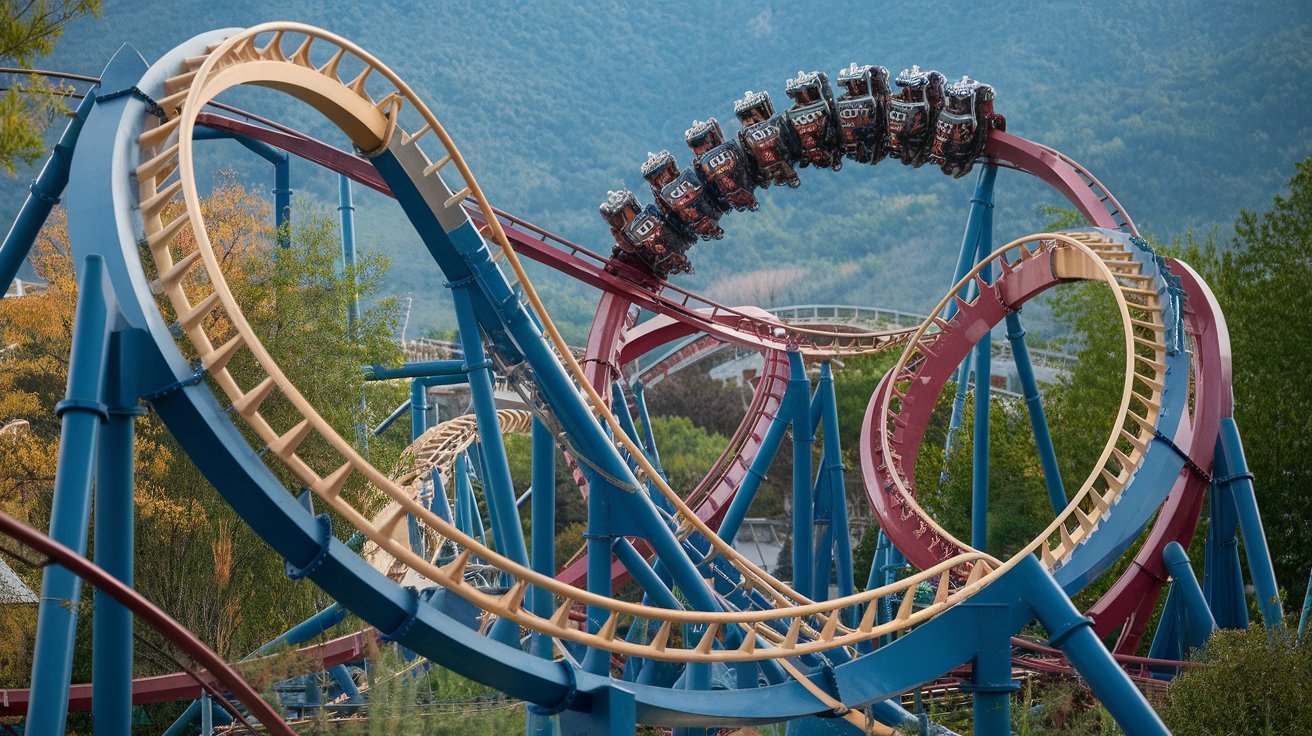
For thrill seekers visiting Silverwood Theme Park in Athol, Idaho, Aftershock is one of the attractions that deserves immediate attention. This massive steel coaster combines extreme height, high speed, inversions, backward motion, and a dramatic shuttle-style layout into one intense experience. Silverwood officially lists Aftershock at 191 feet tall, with a 177-foot longest drop, a top speed of 65.6 mph, three inversions, and forces reaching 4.5 G.
What makes Aftershock especially memorable is that riders do not simply travel through the course once. The coaster moves through its major elements and then returns through the same sequence backward, creating two very different sensations during a single ride. For anyone researching the Aftershock roller coaster at Silverwood Theme Park, understanding its specifications, history, restrictions, and ride experience helps explain why this attraction remains one of the park’s signature thrill rides.
What Is Aftershock at Silverwood Theme Park?
Aftershock is a Vekoma Giant Inverted Boomerang roller coaster located in Silverwood’s Roller Coaster Alley. It is an inverted coaster, meaning riders sit beneath the track rather than above it. The design gives the train a distinctive swinging sensation as riders travel through the course with their feet hanging below them.
Silverwood lists the ride’s height at 191 feet, its longest drop at 177 feet, and its top speed at 65.6 mph. The ride has a published duration of approximately 1 minute and 32 seconds and reaches up to 4.5 G. The minimum height requirement is 54 inches, while the maximum listed height is 80 inches.
The attraction is also unusual because it is a shuttle coaster. Instead of completing a traditional circuit and returning to the station through a separate section of track, the train travels out through the main elements and then reverses direction. This creates a ride that feels considerably longer and more unpredictable than its relatively short duration suggests.
Aftershock Roller Coaster Height, Speed, and Key Statistics
For visitors comparing Silverwood’s coasters, Aftershock stands out because of its combination of height and speed. Silverwood describes it as reaching 191 feet into the air and traveling at approximately 65.6 mph. The coaster’s longest drop is 177 feet, while the steepest vertical angle is 90 degrees.
Here are the most important Aftershock statistics:
| Feature | Aftershock Statistic |
|---|---|
| Manufacturer | Vekoma |
| Type | Inverted shuttle coaster |
| Height | 191 feet |
| Longest Drop | 177 feet |
| Top Speed | 65.6 mph |
| Inversions | 3 |
| Maximum G-Force | 4.5 G |
| Vertical Angle | 90 degrees |
| Ride Duration | 1:32 |
| Minimum Height | 54 inches |
| Maximum Height | 80 inches |
| Opening at Silverwood | 2008 |
Independent coaster databases report a track length of about 1,204 feet and describe the ride as a Vekoma Giant Inverted Boomerang.
One important point is that published specifications can differ slightly between databases because of how height, speed, and track measurements are recorded. For practical trip planning, the official Silverwood figures are the best reference.
How the Aftershock Ride Experience Works
The most distinctive part of Aftershock is the way the ride begins. Rather than simply climbing a conventional lift hill from the station, the train is pulled backward up a towering vertical section of track. As the train rises, riders increasingly find themselves looking toward the ground.
At the top, gravity takes over. The train drops toward the course and accelerates to speeds approaching 65 mph. Silverwood describes the ride as moving through a cobra roll and inverted loop, followed by another vertical climb.
The experience then changes dramatically. Instead of stopping after the forward run, the train climbs the opposite tower and reverses direction. Riders are sent through the course backward, experiencing the inversions and turns from the opposite direction.
That backward section is a major reason Aftershock feels different from an ordinary looping coaster. Forward motion gives riders some idea of what is coming, while the reverse journey removes much of that anticipation. The same track can therefore feel substantially different on the return trip.
The coaster’s three inversions include its signature cobra roll and inverted loop configuration. Independent ride databases also identify the vertical lift sections and major elements as defining components of the ride layout.
When Did Aftershock Open at Silverwood?
Aftershock became part of Silverwood’s attraction lineup in 2008. The coaster was originally known as Déjà Vu at Six Flags Great America before being relocated to Silverwood. Silverwood’s own historical material states that the park added the 191-foot inverted boomerang roller coaster in 2008.
The ride officially opened at Silverwood on July 21, 2008. Contemporary reporting from the opening described riders experiencing the approximately 191-foot height, 65-mph speeds, and intense forces of the new attraction.
Its relocation gave Silverwood a major thrill attraction capable of complementing the park’s existing coaster lineup. Rather than being designed primarily for families or younger visitors, Aftershock was clearly positioned as a high-intensity attraction for riders seeking substantial height, speed, and inversions.
Its history also explains why enthusiasts may encounter references to both Déjà Vu and Aftershock when researching the coaster. The ride’s identity changed when it moved to Silverwood, but its distinctive Vekoma Giant Inverted Boomerang design remained.
Who Can Ride Aftershock at Silverwood?
Aftershock is classified by Silverwood as a high-intensity attraction. The park currently lists a minimum rider height of 54 inches and a maximum height of 80 inches.
Because the coaster combines rapid acceleration, substantial drops, inversions, vertical movement, and high G-forces, it is best suited to guests who are comfortable with intense amusement rides. Visitors should always review the park’s current safety requirements and posted ride rules before boarding.
The 54-inch minimum is particularly important for families planning a Silverwood visit. A child who can ride some of the park’s other attractions may still be below the requirement for Aftershock. Silverwood’s published park materials also distinguish Aftershock from many of its lower- and medium-intensity rides.
Is Aftershock the Best Thrill Ride at Silverwood?
Whether Aftershock is the best ride at Silverwood ultimately depends on what type of coaster experience we prefer. For riders who prioritize height, speed, inversions, and extreme forces, Aftershock is one of the park’s most compelling choices.
Silverwood itself identifies Aftershock as its fastest and tallest coaster, with a maximum speed of 65.6 mph and a height of 191 feet. Its backward-running feature also separates it from conventional roller coasters.
The attraction is particularly appealing to experienced coaster riders because the ride combines several sensations in a compact package. We get a towering vertical climb, a dramatic drop, rapid acceleration, inversions, a second vertical rise, and a backward journey through the course.
For guests who prefer smoother family coasters or less intense attractions, however, Aftershock may not be the ideal first choice. Silverwood has a broad collection of rides, allowing visitors to select attractions according to their preferred intensity.
Aftershock Silverwood: What Makes It Worth Riding?
The strongest argument for riding Aftershock is its unique combination of forward and backward coaster action. Many roller coasters provide one continuous journey around a circuit. Aftershock instead turns the reversal itself into a central part of the attraction.
Its 191-foot height immediately creates a dramatic visual presence, while the 177-foot drop and 65.6-mph top speed provide the raw statistics that thrill enthusiasts expect from a major coaster. The three inversions and 4.5 G-force add another layer of intensity.
Its long history at Silverwood also gives the ride an established place in the park’s identity. Since opening in 2008, Aftershock has remained one of the attractions most associated with Silverwood’s high-intensity ride selection.
For anyone planning a trip to Silverwood Theme Park in 2026, Aftershock should therefore be near the top of the itinerary for eligible thrill seekers. Its combination of extreme height, speed, inversions, vertical drops, and backward travel makes it unlike a standard roller coaster and helps explain its enduring popularity.
Conclusion: Aftershock Roller Coaster at Silverwood Theme Park
Aftershock Roller Coaster at Silverwood Theme Park is a distinctive Vekoma inverted shuttle coaster built around one simple idea: deliver an intense ride in both directions. At 191 feet tall, with a 177-foot drop, speeds up to 65.6 mph, three inversions, a 90-degree vertical angle, and forces reaching 4.5 G, it remains one of Silverwood’s defining thrill attractions.
Its 2008 opening at Silverwood, previous life as Déjà Vu, towering vertical spikes, backward return journey, and high-intensity classification all contribute to its unique character. For eligible riders looking for one of the park’s most dramatic experiences, Aftershock offers a combination of sensations that is difficult to replicate on a conventional coaster.
Frequently Asked Questions About Aftershock
How tall is Aftershock at Silverwood?
Aftershock is 191 feet tall, according to Silverwood’s official ride information.
How fast does Aftershock go?
The coaster reaches a top speed of approximately 65.6 mph.
How big is the drop on Aftershock?
The longest drop is listed at 177 feet.
How many times does Aftershock go upside down?
Silverwood lists three inversions for the ride.
When did Aftershock open at Silverwood?
Aftershock opened at Silverwood in 2008, with its official opening reported as July 21, 2008.
What is the height requirement for Aftershock?
Silverwood currently lists a 54-inch minimum and 80-inch maximum height requirement.
Is Aftershock an inverted coaster?
Yes. It is a Vekoma Giant Inverted Boomerang and operates as an inverted shuttle-style roller coaster.
Does Aftershock go backward?
Yes. After traveling through the course in one direction, the coaster returns through the ride backward, making the second half particularly distinctive.
Entertainment
Stinkface: Meaning, Origins, Pop Culture, Internet Slang, and Wrestling History (2026 Guide)
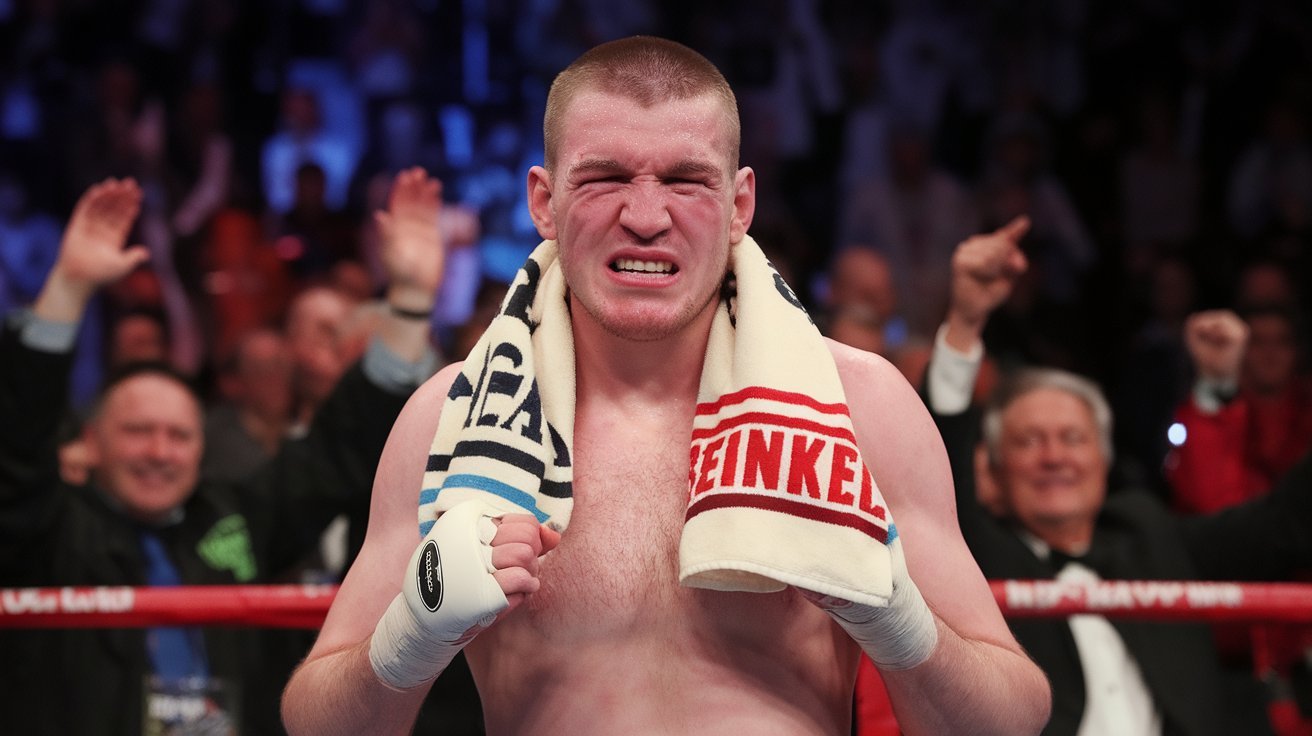
The term Stinkface has become widely recognized across professional wrestling, internet culture, memes, gaming communities, and everyday slang. Depending on the context, the word can refer to a famous wrestling maneuver, a humorous facial expression, or an internet joke used on social media. Over the years, “Stinkface” has evolved beyond its original wrestling roots and become a popular part of online conversations and pop culture.
In this complete 2026 guide, we explore the meaning of Stinkface, its history, its connection to professional wrestling, its use in internet slang, and why the term continues to trend across digital platforms.
What Does Stinkface Mean?
Stinkface is a slang term whose meaning depends on the situation in which it is used.
The two most common meanings are:
- A professional wrestling move made famous by WWE wrestler Rikishi, where an opponent seated in the corner is struck face-first by the attacker’s backside for comedic effect.
- A facial expression showing disgust, annoyance, or disapproval, often exaggerated for humorous purposes in memes, reaction images, and videos.
Because of these multiple meanings, the word frequently appears in entertainment, sports discussions, gaming communities, and social media conversations.
The Origin of the Stinkface in Professional Wrestling
The Stinkface became internationally famous during the late 1990s and early 2000s thanks to WWE Superstar Rikishi.
In wrestling matches, the move followed a distinctive sequence:
- The opponent was positioned sitting against a turnbuckle.
- Rikishi would back toward the opponent.
- He would then press his backside into the opponent’s face, creating a comedic and humiliating moment.
- The audience often reacted with laughter and loud cheers.
Although presented as a wrestling attack, the move was designed primarily for entertainment and comedy rather than realism. It quickly became one of WWE’s most recognizable signature moves and remains memorable among wrestling fans.
How Stinkface Became an Internet Slang Term
As internet culture expanded, the meaning of Stinkface evolved beyond wrestling.
Today, the word is commonly used online to describe:
- A funny facial reaction
- An exaggerated expression of disgust
- A meme showing disappointment
- Someone reacting to a bad smell
- Humorous reaction GIFs
- Gaming reactions after losing a match
Social media platforms have helped popularize the expression through:
- Short videos
- GIF reactions
- Meme pages
- Livestream chats
- Gaming communities
- Comment sections
Because the word is humorous and instantly recognizable, it continues to appear in viral internet content.
Stinkface in Pop Culture and Entertainment
The popularity of Stinkface extends well beyond wrestling.
The phrase regularly appears in:
Internet Memes
Reaction memes often use “stinkface” to describe someone reacting dramatically to unpleasant news or unexpected situations.
Gaming Communities
Players sometimes joke that an opponent gave them the “stinkface” after an embarrassing defeat or unexpected loss.
Comedy Videos
Content creators frequently exaggerate facial expressions to create comedic “stinkface” moments.
Social Media
TikTok, Instagram, YouTube Shorts, and other platforms regularly feature humorous reaction clips using the term.
Its versatility has helped keep the phrase relevant for many years.
Different Meanings of Stinkface Today
Depending on context, Stinkface may refer to several different things.
Professional Wrestling Move
The classic move made famous by Rikishi.
Facial Expression
A look of disgust, annoyance, confusion, or disbelief.
Internet Meme
A humorous image or GIF showing someone’s exaggerated reaction.
Slang Expression
Friends may jokingly say someone has a “stinkface” when they appear irritated or unhappy.
Understanding the surrounding conversation usually makes the intended meaning clear.
Why Stinkface Remains Popular in 2026
Several reasons explain why the term continues to appear online decades after its introduction.
Nostalgia
Many wrestling fans remember the WWE Attitude Era, when the Stinkface became one of the company’s most iconic comedy spots.
Easy to Understand
The phrase immediately creates a visual image, making it memorable and effective.
Meme-Friendly
Internet culture thrives on expressive reactions, and “stinkface” perfectly fits that style of humor.
Cross-Platform Recognition
The term is recognized by wrestling fans, gamers, meme creators, and casual social media users alike.
Humorous Appeal
Unlike many internet slang terms, Stinkface is generally lighthearted and used for comedy rather than offense.
Interesting Facts About Stinkface
Here are several fun facts about the famous phrase:
- Rikishi is the wrestler most closely associated with the Stinkface.
- The move became one of WWE’s most recognizable comedy spots during the Attitude Era.
- The expression “stinkface” now appears in online dictionaries and internet slang discussions.
- Countless memes and GIFs use exaggerated facial expressions inspired by the term.
- Modern fans often use “stinkface” without any connection to wrestling.
These developments demonstrate how entertainment can influence everyday language.
The Future of Stinkface in Digital Culture
As memes and short-form content continue to dominate social media in 2026, terms like Stinkface remain relevant because they are instantly recognizable and adaptable.
Future uses may include:
- AI-generated reaction memes
- Gaming livestream expressions
- Animated GIF collections
- Virtual reality social interactions
- Comedy skits
- New wrestling tributes
Although the original wrestling move remains iconic, the phrase has successfully evolved into a broader cultural expression that continues to entertain audiences worldwide.
Conclusion
Stinkface has grown from a memorable professional wrestling move into a widely recognized part of internet slang, meme culture, and online entertainment. Whether referring to Rikishi‘s legendary WWE signature move or describing an exaggerated expression of disgust, the term remains humorous, recognizable, and culturally relevant.
Its combination of nostalgia, comedy, and adaptability has allowed Stinkface to remain popular for decades. As digital communication continues to evolve, this unique expression is likely to remain a favorite among wrestling fans, gamers, meme creators, and social media users alike.
Frequently Asked Questions (FAQs)
What is a Stinkface?
A Stinkface can refer either to a famous professional wrestling move popularized by Rikishi or to a humorous facial expression showing disgust or annoyance.
Who made the Stinkface famous?
The move was made famous by WWE Hall of Famer Rikishi during the late 1990s and early 2000s.
Is Stinkface only a wrestling term?
No. Today it is also widely used in internet slang, memes, and social media to describe exaggerated reactions.
Why is Stinkface popular online?
Its humorous nature, memorable imagery, and connection to reaction memes have made it popular across many online platforms.
Is the term offensive?
The term is generally used in a humorous or lighthearted way. However, its meaning depends on the context, and it’s best to use it appropriately for the audience.

Onna Sicuranza: Meaning, Background, Name Origins, and What We Know in 2026

Babeltee: Meaning, Uses, Tea Connection, Fashion Context, and What to Know in 2026

Cyanová: Meaning, Origin, Color, Uses, and What It Means in 2026

Lucas’s or Lucas’: Which Possessive Form Is Correct? Grammar Rules, Examples, and Common Mistakes

Minecraft PlayBattleSquare: What It Is, How to Play, Features, and Complete Guide

Dallas Yocum: Biography, Career, Personal Life, and Everything You Need to Know
 Business2 months ago
Lucas’s or Lucas’: Which Possessive Form Is Correct? Grammar Rules, Examples, and Common Mistakes
- Entertainment2 months ago
Minecraft PlayBattleSquare: What It Is, How to Play, Features, and Complete Guide
- celebrity3 months ago
Dallas Yocum: Biography, Career, Personal Life, and Everything You Need to Know
- Entertainment2 months ago
TB Meaning Text: What Does TB Mean in Text Messages, Chat, and Social Media?
- Entertainment3 months ago
Start@ThriftyEvents.net: Your Complete Guide to Affordable Event Planning and Memorable Celebrations
- celebrity3 months ago
Kelsy Ully: Biography, Career, Marriage, Divorce, Net Worth, and Life Beyond the Spotlight
- Entertainment3 months ago
Get ThriftyEvents.net Blog: The Complete Guide to Affordable Event Planning and Memorable Celebrations
- celebrity3 months ago
Robin Stapler: Biography, Career, Personal Life, and Relationship History