Tech
New Germanium PNP Audio Transistor: Complete Guide for Vintage and Modern Audio Projects

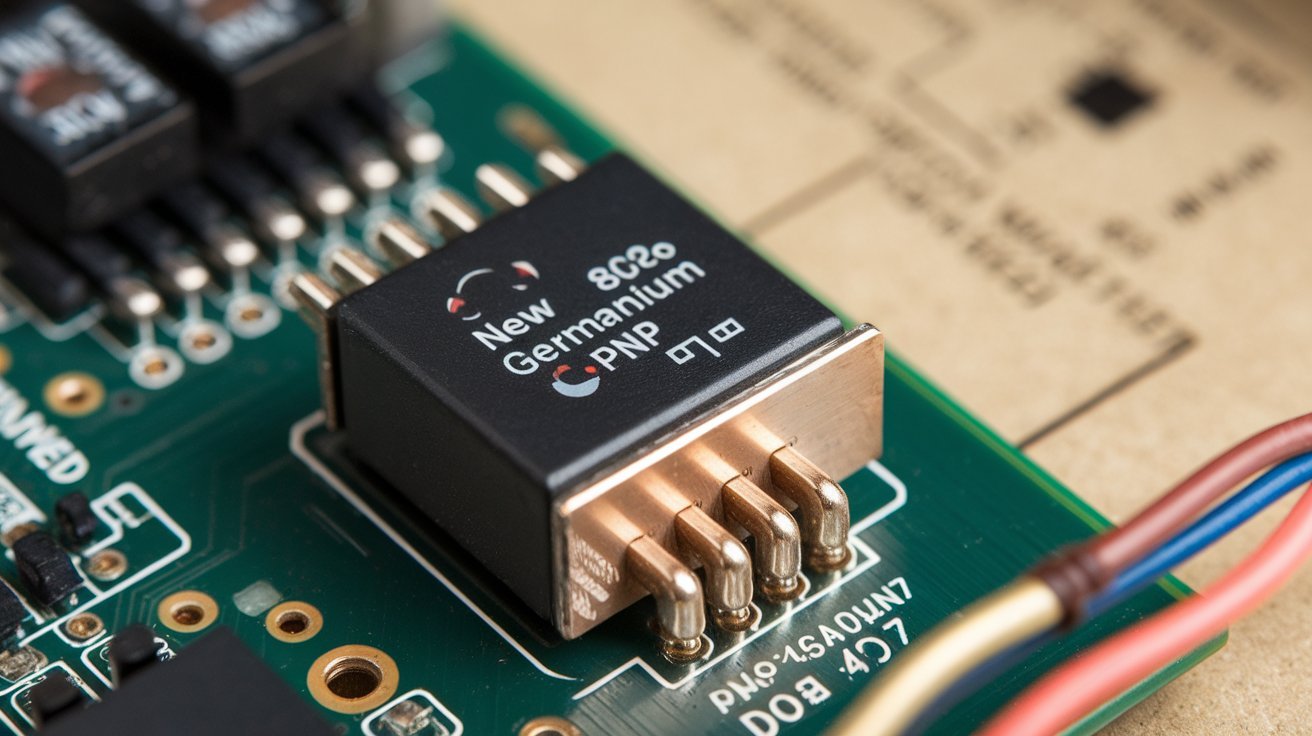
Germanium transistors occupy a special place in the history of electronics and audio engineering. Before silicon became the dominant semiconductor material, germanium PNP transistors were widely used in radios, amplifiers, preamplifiers, signal-processing circuits, and early transistorized audio equipment. Today, interest in these devices has returned among electronics restorers, musicians, collectors, and builders who appreciate their distinctive electrical behavior and vintage character.
When we discuss a new germanium PNP audio transistor, however, we need to distinguish between a genuinely newly manufactured semiconductor and a new-old-stock (NOS) component that was manufactured decades ago but has never previously been used. This distinction is particularly important because many germanium audio transistors advertised as “new” today are actually vintage components that have remained unused in storage. For example, modern listings can still offer NOS germanium PNP audio devices, while historical documentation confirms how extensively these components were used in early audio circuits.
What Is a Germanium PNP Audio Transistor?
A germanium PNP audio transistor is a bipolar junction transistor constructed using germanium semiconductor material and configured with a PNP polarity. Its three terminals—emitter, base, and collector—allow it to amplify or control electrical signals. In audio applications, these transistors were commonly used for relatively low-frequency amplification, driver stages, detector circuits, and output stages.
The PNP configuration is particularly significant when restoring older equipment because the surrounding circuit is designed around the transistor’s polarity, bias requirements, and operating voltages. We cannot automatically replace a PNP germanium transistor with any available NPN or silicon device simply because the physical package appears similar.
Historic devices demonstrate the characteristics that made germanium useful for early audio electronics. The AC128, for instance, was a popular PNP germanium low-frequency/audio amplifier transistor used extensively during the 1960s and early 1970s. Published specifications list a TO-1 package, a maximum collector-emitter voltage of approximately -16 V, and a current gain range of about 45–165, although actual characteristics can vary between individual devices.
Why Germanium Transistors Are Still Popular in Audio
The continued interest in germanium is not simply nostalgia. Germanium semiconductor devices have electrical characteristics that can produce behavior different from modern silicon transistors. This difference is particularly noticeable in circuits designed around nonlinear signal processing, such as guitar effects, fuzz circuits, vintage preamps, and certain analog audio stages.
Germanium transistors generally have a lower base-emitter forward voltage than conventional silicon bipolar transistors. Their characteristics can also vary substantially with temperature and from one individual transistor to another. For audio designers, these differences can become part of the sound and response of a circuit.
This is one reason vintage-style audio equipment continues to use carefully selected germanium components. Modern products demonstrate that germanium coloration remains attractive: for example, contemporary audio equipment can combine modern transistor technology with selected NOS germanium transistors to produce a deliberately vintage tonal character.
We should therefore avoid describing germanium as universally “better” than silicon. Instead, germanium provides a different electrical and sonic behavior, which can be desirable when a particular circuit is designed to exploit it.
New vs. New-Old-Stock Germanium PNP Transistors
One of the most important points when searching for a new germanium PNP audio transistor is understanding the terminology used by sellers.
A truly new-production germanium transistor would be a semiconductor manufactured recently using a current production process. Such devices are relatively uncommon compared with the huge range of modern silicon and semiconductor products.
By contrast, **NOS—new old stock—**means that the transistor was manufactured many years ago but remained unused. A component can therefore be decades old while legitimately being sold as unused stock.
Some specialist sellers continue to offer old germanium PNP audio transistors that have been tested individually. One example is the 2N398A, an older PNP germanium transistor offered as unused old stock, with testing reported to produce an hFE value of 65.
We should always examine the seller’s terminology carefully. “New” may describe the condition of the individual component rather than its manufacturing date.
Important Specifications to Check Before Buying
When selecting a germanium PNP transistor for an audio project, we should never rely only on the transistor number. Several electrical characteristics can determine whether the device is appropriate for a particular circuit.
The first specification is polarity. A PNP transistor must be compatible with the circuit’s bias arrangement. Next, we should check collector-emitter voltage, collector current, power dissipation, current gain, leakage current, and frequency characteristics.
hFE or DC current gain is especially important in many audio and fuzz circuits. Germanium devices can exhibit substantial variation, meaning two transistors carrying the same part number may not behave identically.
Temperature performance is another consideration. Germanium devices are generally more temperature-sensitive than modern silicon transistors. Consequently, a circuit that works correctly at room temperature may behave differently as the transistor becomes warmer.
The AC128 illustrates why datasheet verification matters. Its published data includes approximately -32 V V_CBO, -16 V V_CEO, -1 A maximum collector current, 260 mW total power dissipation, and a minimum transition frequency of 1 MHz.
These specifications are useful reference points, but we should always consult the appropriate datasheet or reliable technical documentation for the exact device being installed.
Applications of Germanium PNP Audio Transistors
Historically, germanium PNP transistors were used extensively in portable radios, audio amplifiers, detector stages, drivers, and low-frequency circuits. The AC128 is one well-known example of a PNP germanium device intended for low-frequency and audio amplification.
Other historical devices served specialized roles. Documentation for older semiconductor products shows germanium PNP components being produced for audio drivers, detectors, and audio output stages. Some historical PNP germanium power devices were also designed specifically for audio applications.
Today, their applications are somewhat different. We commonly encounter them in vintage equipment restoration, guitar pedals, fuzz effects, experimental analog circuits, collectible electronics, and recreations of classic audio designs.
The attraction in musical equipment is particularly strong because designers can intentionally select transistors with particular gain and leakage characteristics. Rather than treating component variation as purely undesirable, some builders use that variation to achieve a particular circuit response.
Testing and Matching a Germanium PNP Transistor
Testing is one of the most important steps when working with an older germanium transistor. Even an unused NOS device can have characteristics that differ from another transistor of the same type.
We should begin by confirming the pin configuration. Vintage transistor packages do not necessarily follow the familiar pin arrangements used by modern components. The physical appearance of a transistor should never be used as the sole method of determining emitter, base, and collector connections.
Next, we should measure hFE and leakage current using an appropriate transistor tester. In applications such as vintage fuzz pedals, matching devices according to gain and leakage can produce more predictable results.
We should also inspect the physical condition of the leads and package. Old components may have oxidized terminals or fragile leads. A specialist listing for a vintage 2N398A, for example, specifically warns users to avoid bending the leads too close to the transistor body because older packages can be mechanically delicate.
For restoration work, measurements should be recorded before installation. This gives us a reference if troubleshooting becomes necessary later.
Choosing the Right Germanium Transistor in 2026
In 2026, the best choice depends heavily on the intended application. If we are restoring a vintage radio or amplifier, the correct original transistor type or a documented equivalent is usually preferable. If we are building a guitar effect, we may have more flexibility because the circuit can sometimes accommodate different gain and leakage characteristics.
We should also determine whether the desired component is new production, NOS, or previously used. A seller’s description should provide enough information to establish the component’s condition, manufacturer, test results, and markings.
For enthusiasts searching for a “new germanium PNP audio transistor,” this distinction can prevent considerable confusion. A transistor advertised as new may actually be an unused component manufactured 50 or more years ago. That does not necessarily make it unsuitable—in fact, NOS devices are often exactly what vintage circuit builders are looking for—but the terminology should be understood correctly.
We should prioritize verified specifications, tested electrical characteristics, correct polarity, reliable pinout information, and suitability for the circuit rather than choosing a transistor solely because it is labeled “new.”
Conclusion: Is a Germanium PNP Audio Transistor Still Worth Using?
A new germanium PNP audio transistor remains highly relevant for specific electronics and audio applications. Although silicon technology has replaced germanium in most mainstream semiconductor designs, germanium continues to attract attention because of its distinctive electrical characteristics, historical importance, and recognizable role in vintage audio equipment.
The key is selecting the component according to the circuit rather than the marketing description. Devices such as the AC128 demonstrate the historical importance of PNP germanium transistors in audio amplification, while modern audio products show that carefully selected NOS germanium components can still be incorporated into contemporary designs.
For restoration projects, vintage radios, analog experiments, and guitar effects, a properly tested germanium PNP transistor can still be an extremely useful component. By checking polarity, pinout, gain, leakage, voltage ratings, temperature behavior, and component condition, we can make a much more reliable choice and preserve the distinctive engineering character of early transistorized audio.
Frequently Asked Questions
What is a germanium PNP audio transistor?
It is a PNP bipolar transistor made with germanium semiconductor material and intended for applications such as low-frequency amplification, audio stages, drivers, and related signal circuits.
What is a common germanium PNP audio transistor?
The AC128 is one of the best-known examples. It was widely used in low-frequency and audio amplifier applications during the 1960s and early 1970s.
Does “new germanium transistor” mean newly manufactured?
Not necessarily. Many components described as new are actually new-old-stock (NOS) devices manufactured decades ago but never used.
Why do musicians use germanium transistors?
Germanium can provide distinctive nonlinear behavior and characteristics that are desirable in vintage-style fuzz, effects, and analog audio circuits.
Can we replace a germanium PNP transistor with silicon?
Sometimes, but not automatically. Silicon and germanium devices have different electrical characteristics, so the biasing, voltage, gain, leakage, and circuit design must be evaluated before making a substitution.


Homeware Zone 2026: Home Essentials, Décor, and Smart Shopping Guide

Northbound I-41 Lanes Near Kaukauna Closed Due to Crash: 2026 Update

Coca-Cola Roxy: Complete Guide to Atlanta’s Popular Live Music Venue in 2026

Lucas’s or Lucas’: Which Possessive Form Is Correct? Grammar Rules, Examples, and Common Mistakes

Minecraft PlayBattleSquare: What It Is, How to Play, Features, and Complete Guide

Dallas Yocum: Biography, Career, Personal Life, and Everything You Need to Know
 Business3 months ago
Lucas’s or Lucas’: Which Possessive Form Is Correct? Grammar Rules, Examples, and Common Mistakes
- Entertainment3 months ago
Minecraft PlayBattleSquare: What It Is, How to Play, Features, and Complete Guide
- celebrity4 months ago
Dallas Yocum: Biography, Career, Personal Life, and Everything You Need to Know
- Entertainment3 months ago
TB Meaning Text: What Does TB Mean in Text Messages, Chat, and Social Media?
- Entertainment3 months ago
Get ThriftyEvents.net Blog: The Complete Guide to Affordable Event Planning and Memorable Celebrations
- Entertainment3 months ago
Start@ThriftyEvents.net: Your Complete Guide to Affordable Event Planning and Memorable Celebrations
- celebrity4 months ago
Kelsy Ully: Biography, Career, Marriage, Divorce, Net Worth, and Life Beyond the Spotlight
- celebrity4 months ago
Robin Stapler: Biography, Career, Personal Life, and Relationship History