Fashion
Blazertje: Meaning, Dutch Origin, Styles, and How to Wear It in 2026


The word blazertje may look like the name of a new fashion trend, brand, or special type of jacket, but its meaning is much simpler. Blazertje is a Dutch word derived from “blazer,” using the Dutch diminutive ending “-tje.” In its most direct English sense, it can be translated as “little blazer” or “small blazer.”
However, the word should not automatically be interpreted as describing a jacket that is physically tiny. Dutch diminutives can communicate ideas such as smallness, informality, familiarity, softness, or affection, depending on context. Consequently, a blazertje may refer to an actual smaller blazer, but it can also simply be an informal way of referring to a blazer.
In 2026, the term has attracted attention in English-language fashion content because many people encounter it while browsing Dutch fashion listings, European style discussions, or online searches. Understanding the linguistic background makes it much easier to understand what the term actually means.
What Does Blazertje Mean?
The simplest definition of blazertje is the Dutch diminutive form of “blazer.” The base word refers to the familiar tailored jacket that can be worn independently rather than necessarily as part of a matching suit.
The construction is straightforward:
- Blazer = blazer
- Blazertje = little/small blazer or an informal diminutive form of blazer
Dutch uses diminutive endings extensively. Common endings include -je, -tje, -pje, and -etje, with the appropriate form depending on the word and its pronunciation. In this case, blazer becomes blazertje.
This linguistic detail is important because some online fashion articles describe blazertje as though it were a formally standardized garment category. It is more accurate to say that the word itself is a grammatical form, while the particular garment being described can vary.
A blazertje could therefore be cropped, fitted, oversized, structured, unstructured, lightweight, or relatively traditional. The name alone does not establish one precise cut.
Is a Blazertje a Special Type of Blazer?
Not necessarily. There is no universal fashion rule stating that every blazertje must have a particular length, fabric, color, shoulder construction, or number of buttons.
Some contemporary fashion descriptions use the term for softer, lighter, shorter, or more relaxed blazer styles. That usage makes practical sense because the diminutive can give the garment a more approachable or casual character. However, those characteristics should not be treated as strict requirements.
When shopping for one, we should pay attention to the actual garment rather than relying only on the name. Important details include:
- Fit and shoulder width
- Jacket length
- Sleeve length
- Fabric composition
- Lining
- Button arrangement
- Lapel design
- Pocket construction
- Shoulder padding
- Single- or double-breasted construction
This approach prevents confusion between a genuine product description and a broader fashion interpretation of the word.
Blazertje vs. Traditional Blazer
A traditional blazer can range from formal tailoring to relaxed smart-casual designs. A blazertje can cover much of the same territory, but the word often creates a softer or more informal impression.
Some garments marketed or described as a blazertje may use lighter fabrics, relaxed shoulders, less padding, shorter lengths, or looser silhouettes. These features make the jacket easier to combine with everyday clothing. Contemporary fashion sources commonly associate the term with this relaxed interpretation.
Still, there is no absolute technical boundary between the two.
For example, one retailer could call a lightly structured cotton jacket a blazertje, while another might simply call exactly the same type of garment a casual blazer or unstructured blazer.
The distinction is therefore often about language and presentation rather than a completely different garment category.
Popular Blazertje Styles and Fabrics
Because blazertje does not specify one fixed construction, there are many possible styles that can fit the general idea.
A cropped blazertje can work particularly well with high-waisted trousers, skirts, or jeans. Its shorter silhouette creates a modern proportion and can make the jacket feel less formal.
An oversized blazertje offers a more relaxed appearance. It can be worn over a simple T-shirt, knit top, or fitted dress to create contrast between tailoring and casual clothing.
For warmer weather, linen and cotton are practical choices. They generally provide a lighter feel than heavier suiting materials. Jersey and blended fabrics can also create a softer silhouette, while wool blends remain useful when warmth and structure are priorities.
Color also influences how formal or casual the garment appears. Black, navy, gray, cream, beige, and white are versatile choices, while checks, stripes, and other patterns can make an outfit more distinctive.
The key is to select a fabric and silhouette that suit the intended use rather than assuming that the word blazertje automatically indicates one specific style.
How to Wear a Blazertje in 2026
One reason blazer-style jackets remain useful is their versatility. We can use a blazertje as a transitional layer between casual and polished clothing.
For a simple everyday outfit, a relaxed blazer can be paired with straight-leg jeans, a plain T-shirt, and sneakers. This combination preserves the structure of tailoring without becoming overly formal.
For work, we can combine a more structured version with tailored trousers, a blouse, and loafers. Neutral colors make the outfit particularly easy to coordinate.
For an evening look, a fitted or cropped style can be worn with a dress, skirt, or elegant trousers. Minimal accessories can keep the jacket as the main structural element of the outfit.
The same garment can therefore move between different settings simply by changing the pieces worn underneath and the shoes and accessories used.
How to Choose the Right Blazertje
When selecting a blazertje, fit should come before the label. A beautifully named garment will not work well if the shoulders are too narrow, the sleeves are excessively long, or the jacket pulls across the chest or waist.
We should first consider where the jacket will be worn. For professional environments, a relatively structured design with clean lines can provide a polished appearance. For everyday use, a soft, unlined, or relaxed construction may provide greater comfort.
Fabric should also match the season. Linen and lightweight cotton can be excellent for warm conditions, while wool blends and heavier materials are more suitable for cooler weather.
Length matters as well. A cropped jacket changes proportions differently from a longline blazer. Before purchasing, we should consider which trousers, skirts, dresses, and shoes are already in the wardrobe.
Most importantly, we should inspect the actual product specifications. The word blazertje alone cannot tell us everything about construction or quality.
Frequently Asked Questions About Blazertje
What does blazertje mean in English?
Blazertje is a Dutch diminutive of blazer and can be translated literally as “little blazer” or “small blazer.” The diminutive does not necessarily mean that the garment is physically tiny.
Is blazertje a Dutch word?
Yes. Blazertje is a genuine Dutch word formed from blazer with the diminutive ending -tje. Current language and fashion references consistently identify it as the diminutive form of blazer.
Is a blazertje always small?
No. Although the literal translation suggests something small, Dutch diminutives can have broader meanings. A blazertje can vary considerably in size, fit, length, and construction.
Is blazertje a new fashion trend?
It is more accurate to call it a Dutch fashion term than a completely new garment category. Recent English-language fashion content has increasingly presented it as a trend, but the underlying word comes from Dutch grammar.
What can we wear with a blazertje?
A blazertje can be paired with jeans, tailored trousers, skirts, dresses, T-shirts, blouses, and knitwear. The best combination depends on its fit, fabric, length, and level of structure.
Conclusion
Blazertje is an interesting example of how an ordinary word from another language can attract new attention through online fashion searches. At its core, it is the Dutch diminutive form of “blazer,” commonly understood as “little blazer” or “small blazer.”
The important point is that blazertje is not a rigid technical clothing category. It can describe different blazer styles, and modern fashion content may use it for garments that feel lighter, softer, shorter, or more relaxed. The actual construction matters more than the label.
For anyone shopping for or styling a blazertje in 2026, the best approach is to focus on fit, fabric, structure, length, comfort, and versatility. Whether we choose a cropped design for a modern outfit or a relaxed neutral blazer for everyday wear, the underlying appeal remains the same: a blazer can provide structure and polish without requiring an overly formal look.
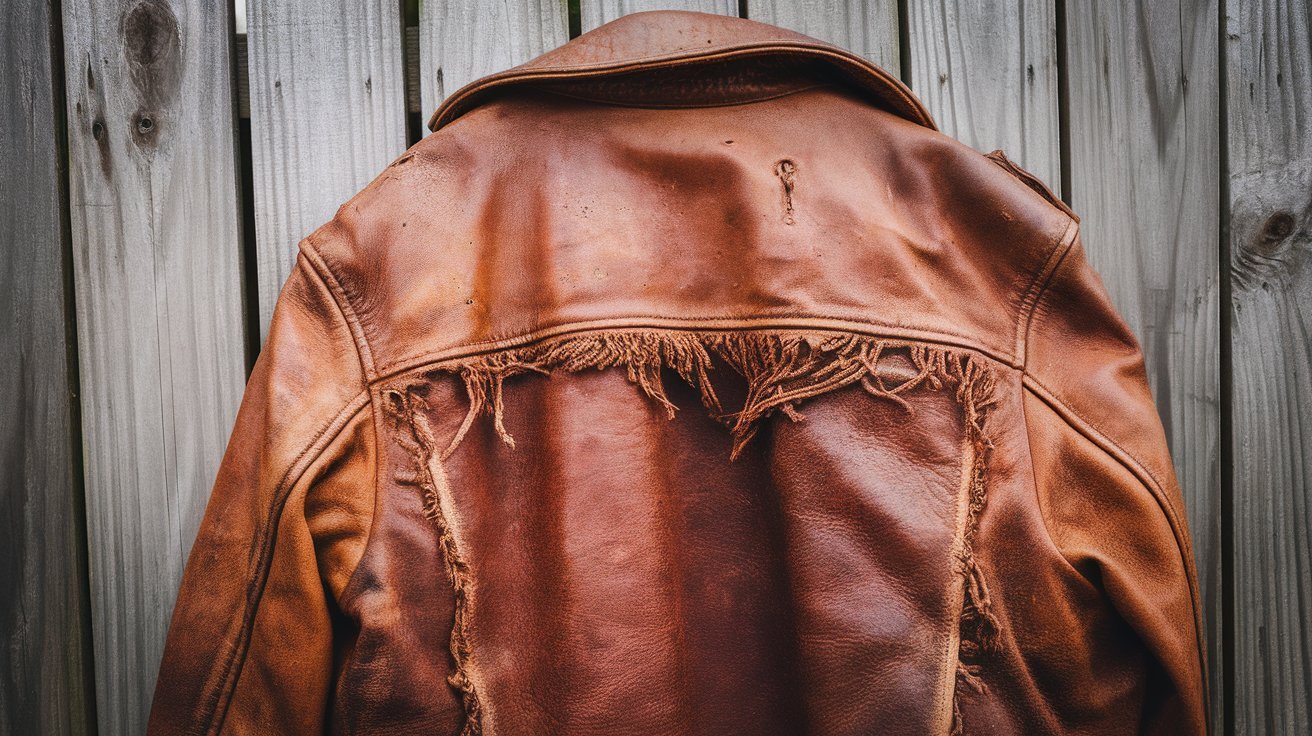
Wear and tear is a common phrase used to describe the gradual deterioration that happens when an object, property, vehicle, appliance, or other asset is used normally over time. Everything we regularly use eventually shows some signs of aging. Floors become less pristine, furniture develops small marks, vehicle components become less efficient, and household appliances may eventually need maintenance or replacement.
Understanding wear and tear is particularly important when discussing rental properties, insurance, vehicles, equipment, and household possessions. The term can sometimes be confused with accidental damage, neglect, or intentional damage, even though these situations may have very different consequences.
In 2026, knowing the distinction between ordinary deterioration and damage can help us make better decisions about maintenance, repairs, rental deposits, insurance claims, and long-term ownership costs.
What Does Wear and Tear Mean?
The basic meaning of wear and tear is the gradual decline in condition that occurs through ordinary and reasonable use. It is usually not caused by a single accident. Instead, it develops progressively as an item is exposed to everyday use, time, friction, weather, pressure, or repeated operation.
For example, a carpet in a frequently used hallway may gradually become less vibrant and slightly flattened. A wooden floor may develop minor surface marks. A car’s tires naturally lose tread as the vehicle is driven. These are normal consequences of use rather than evidence that someone necessarily caused unusual damage.
The precise definition can depend on the situation. In rental agreements, for example, landlords and tenants may have different responsibilities for ordinary deterioration and damage caused by misuse. In insurance, policies can distinguish between gradual deterioration and sudden covered events.
Therefore, we should always consider the relevant contract, lease, warranty, insurance policy, or applicable law rather than assuming that every situation follows the same standard.
Common Examples of Normal Wear and Tear
There are many everyday examples of normal wear and tear. The specific examples vary depending on the item and how it is used, but gradual cosmetic deterioration is often expected.
In a rental home, ordinary wear might include minor scuff marks on walls, slight carpet flattening, small amounts of fading, worn flooring in high-traffic areas, and normal deterioration of fixtures. A property that has been occupied for several years will naturally show more signs of use than a newly renovated property.
For vehicles, wear can include tire tread reduction, brake-pad consumption, small interior marks, battery aging, and gradual deterioration of mechanical components. These parts are designed to wear as the vehicle is used and often require routine replacement.
Household appliances can also experience wear. Buttons may become less responsive, seals can gradually deteriorate, and moving parts may eventually lose efficiency. Similarly, clothing develops fading, stretching, pilling, or thinning after repeated washing and use.
The important factor is that normal wear generally results from reasonable everyday use over time, rather than an unusual event or careless behavior.
Wear and Tear vs. Damage
One of the most important distinctions is the difference between wear and tear and damage. Although the terms can sometimes overlap, they generally describe different circumstances.
Wear and tear usually develops gradually. Damage is more likely to result from a specific incident, misuse, negligence, or an action outside normal use.
For example, a carpet gradually becoming flattened in an area where people regularly walk would normally be expected. A large burn mark caused by a dropped hot object would be a different situation.
Similarly, minor scratches that naturally develop on a frequently used surface may be ordinary deterioration, while a severely broken fixture caused by improper use could potentially be considered damage.
The distinction often depends on severity, cause, age, expected lifespan, and circumstances. A small mark that would be considered normal after ten years might be considered significant if it appears on a newly installed surface after only a few weeks.
When disagreements arise, photographs, inspection reports, receipts, maintenance records, and dated documentation can help establish what condition an item was in before and after use.
Wear and Tear in Rental Properties
The phrase wear and tear is particularly important in landlord-tenant relationships. Rental properties naturally deteriorate as tenants live in them, and not every repair or replacement should automatically be treated as tenant-caused damage.
Examples of ordinary deterioration may include minor wall marks, normal carpet wear, faded paint, aging fixtures, and general signs of occupancy. However, excessive damage caused by misuse or neglect may be treated differently.
Rental laws and agreements vary by location, so landlords and tenants should not rely solely on general internet definitions. A lease may explain maintenance responsibilities, while local laws can establish rules concerning deposits, repairs, inspections, and deductions.
A useful practice for both sides is to document the property’s condition at the beginning and end of a tenancy. Move-in photographs, inspection reports, written communications, and repair records can provide valuable evidence if questions arise later.
Landlords should also consider the age and expected lifespan of items when evaluating replacement costs. A tenant should generally not be assumed to have caused the entire loss in value of an old item merely because it requires replacement after years of use.
Wear and Tear in Cars and Other Vehicles
Vehicles experience substantial mechanical and cosmetic wear because many components are designed to be consumed gradually during normal operation.
Common examples include worn tires, brake pads, clutch components, windshield wiper blades, belts, filters, and other maintenance items. Interior surfaces can also develop minor marks and fading through regular use.
Routine maintenance is important because wear does not necessarily mean that a vehicle is defective. In many cases, replacing a worn component is simply part of responsible ownership.
However, excessive or premature deterioration can sometimes indicate a maintenance problem, incorrect use, poor-quality components, or an underlying mechanical issue. We should therefore pay attention to unusual noises, vibrations, warning lights, leaks, or sudden changes in performance rather than assuming every problem is ordinary wear.
For leased vehicles, the distinction can be especially important because lease agreements may establish acceptable wear standards and potential charges for damage beyond those standards.
How to Reduce Wear and Tear
We cannot eliminate wear and tear completely, but regular care can significantly slow deterioration and extend the useful life of many possessions.
For household items, simple steps such as regular cleaning, appropriate storage, protective coverings, routine inspections, and timely repairs can prevent small problems from becoming major ones.
For vehicles, following the manufacturer’s recommended maintenance schedule is particularly important. Checking tire pressure, changing fluids and filters when required, inspecting brakes, and addressing warning signs early can help reduce unnecessary deterioration.
For rental properties, both landlords and tenants can benefit from clear communication. Tenants should report leaks, broken fixtures, heating problems, or other maintenance concerns promptly. Landlords can reduce long-term deterioration by maintaining roofs, plumbing, heating systems, appliances, flooring, and other major components.
The goal is not to prevent every mark or sign of age. Instead, effective maintenance helps ensure that normal aging remains manageable and that preventable damage does not develop into expensive repairs.
Why Wear and Tear Matters for Insurance and Costs
Understanding wear and tear can also help us make sense of insurance and financial responsibilities. Insurance generally focuses on risks and events defined by a specific policy, while gradual deterioration may be excluded or treated differently.
For example, an appliance that simply stops working after many years because its components have reached the end of their useful life may not be treated the same way as an appliance suddenly damaged by a covered event.
Similarly, when calculating the value of an asset, age and condition matter. A ten-year-old item normally does not have the same value as a brand-new replacement. Depreciation and useful life can therefore influence financial assessments.
Before making an insurance claim or disputing a charge, we should review the specific policy or contract, gather documentation, and understand the applicable rules.
Frequently Asked Questions About Wear and Tear
What is an example of wear and tear?
A common example is carpet becoming flattened from normal foot traffic. Other examples include fading paint, worn tires, and gradual deterioration of frequently used fixtures.
Is wear and tear the same as damage?
No. Wear and tear generally develops through normal use and aging, while damage often results from an accident, misuse, negligence, or another specific event.
Who usually pays for normal wear and tear in a rental property?
This depends on the applicable law and rental agreement. Normal deterioration is often treated differently from tenant-caused damage.
Can wear and tear be prevented?
It cannot be eliminated completely, but regular maintenance and careful use can slow deterioration and extend an item’s useful life.
Does insurance cover wear and tear?
Not necessarily. Coverage depends on the specific policy. Gradual deterioration is often treated differently from sudden damage caused by a covered event.
Why is documentation important?
Photographs, receipts, inspection reports, and maintenance records can help establish an item’s age, original condition, and history of use.
Conclusion
Wear and tear is a normal part of ownership and everyday use. Whether we are discussing a home, vehicle, appliance, piece of furniture, or personal possession, gradual deterioration is inevitable. The key is understanding the difference between ordinary aging and damage caused by misuse or an unusual event.
In 2026, documenting condition, maintaining important assets, following contracts and policies, and addressing problems early can make wear-related issues much easier to manage. For rental properties and insurance matters especially, the exact rules depend on the relevant agreement and local regulations.
By recognizing what constitutes normal wear and tear, we can set realistic expectations, maintain our possessions responsibly, reduce unnecessary costs, and handle disagreements with better evidence and greater clarity.
Meta Description: Learn what wear and tear means in 2026, with examples for homes, cars, rentals, insurance, maintenance, damage, costs, and common FAQs.

Homeware Zone 2026: Home Essentials, Décor, and Smart Shopping Guide

Northbound I-41 Lanes Near Kaukauna Closed Due to Crash: 2026 Update

Coca-Cola Roxy: Complete Guide to Atlanta’s Popular Live Music Venue in 2026

Lucas’s or Lucas’: Which Possessive Form Is Correct? Grammar Rules, Examples, and Common Mistakes

Minecraft PlayBattleSquare: What It Is, How to Play, Features, and Complete Guide

Dallas Yocum: Biography, Career, Personal Life, and Everything You Need to Know
 Business3 months ago
Lucas’s or Lucas’: Which Possessive Form Is Correct? Grammar Rules, Examples, and Common Mistakes
- Entertainment3 months ago
Minecraft PlayBattleSquare: What It Is, How to Play, Features, and Complete Guide
- celebrity4 months ago
Dallas Yocum: Biography, Career, Personal Life, and Everything You Need to Know
- Entertainment3 months ago
TB Meaning Text: What Does TB Mean in Text Messages, Chat, and Social Media?
- Entertainment3 months ago
Start@ThriftyEvents.net: Your Complete Guide to Affordable Event Planning and Memorable Celebrations
- celebrity4 months ago
Kelsy Ully: Biography, Career, Marriage, Divorce, Net Worth, and Life Beyond the Spotlight
- Entertainment3 months ago
Get ThriftyEvents.net Blog: The Complete Guide to Affordable Event Planning and Memorable Celebrations
- celebrity4 months ago
Robin Stapler: Biography, Career, Personal Life, and Relationship History