
Blog
Tarantula Rose: Complete Guide to the Chilean Rose Tarantula in 2026


The Tarantula Rose, commonly called the Chilean rose tarantula or rose hair tarantula, is one of the best-known tarantulas in the exotic-pet hobby. Its scientific name is Grammostola rosea, and it is recognized for its attractive rose-colored hairs, terrestrial lifestyle, relatively calm temperament, and impressive longevity. The species is native to parts of Chile, Argentina, and Bolivia, where it inhabits dry desert and scrub environments.
The Chilean rose tarantula has attracted generations of keepers because it combines a striking appearance with comparatively straightforward husbandry. Nevertheless, “easy to keep” does not mean that the species requires no care. We need to provide an appropriate enclosure, suitable substrate, access to fresh water, appropriate food, and a stable environment. We should also understand its defensive behavior, molting cycle, feeding habits, and long lifespan before deciding whether this remarkable spider is suitable for us.
What Is the Tarantula Rose?
The name Tarantula Rose generally refers to the Chilean rose tarantula, Grammostola rosea. It belongs to the family Theraphosidae and is a New World, terrestrial tarantula. The Smithsonian’s National Zoo identifies the species as Grammostola rosea and describes it as a medium-sized terrestrial tarantula with rose-colored hairs over a generally brown-to-black body.
Adult females can reach a leg span of approximately 5 inches (12–13 cm) according to the Smithsonian, while males average around 3.5 inches (9 cm) and tend to have proportionally longer legs. Other husbandry sources commonly report adult specimens approaching roughly 6 inches depending on the individual and measurement method.
One reason the species is so recognizable is its rose or reddish coloration, particularly around the carapace and body hairs. Color can vary considerably, and terminology surrounding the red and gray forms has historically caused confusion among keepers. Modern taxonomic discussions distinguish G. rosea from closely related animals that were historically sold under the same name.
Natural Habitat and Behavior of the Chilean Rose Tarantula
The Chilean rose tarantula originates from dry regions of South America. Its natural range includes Chile, Bolivia, and Argentina, with the species associated with desert, scrubland, and other relatively arid habitats.
This natural environment explains an important part of its care requirements. We should not treat this species like a tropical tarantula that requires constantly wet conditions. A generally dry enclosure with access to drinking water is more appropriate, while excessive moisture can create an unsuitable environment.
The Tarantula Rose is primarily terrestrial, meaning it spends most of its time on or near the ground rather than living as an arboreal spider. In nature, individuals may use burrows or existing shelters for protection. Providing an appropriate hide in captivity allows the spider to retreat when it wants security.
Behaviorally, the species is widely regarded as calm and relatively docile, which is one reason it became so popular with tarantula enthusiasts. However, individual personalities vary. A calm specimen can still become defensive when stressed, disturbed, or handled unnecessarily.
Tarantula Rose Appearance and Defensive Features
The most distinctive feature of the Tarantula Rose is its rose-colored or coppery hair, although the exact shade can range from muted pink and copper to reddish or brownish tones. The body itself is generally darker, creating an attractive contrast with the lighter hairs.
Like other tarantulas, it has eight legs, two pedipalps near the mouth, and chelicerae containing its fangs. The Smithsonian notes that its fangs fold beneath the body and that its pedipalps serve important sensory and feeding functions.
The species also possesses urticating hairs, which are specialized defensive hairs that can be released when the spider feels threatened. These hairs can irritate skin and, particularly, sensitive areas such as the eyes. Consequently, we should avoid unnecessary handling and use sensible precautions when cleaning or maintaining the enclosure.
Although the Chilean rose tarantula has venom, we should not assume that its generally calm reputation means it is completely harmless. A bite can cause pain and medical reactions, and individual responses can vary. A published 2025 medical case report documented delayed severe muscle cramping following Grammostola rosea envenomation, demonstrating why we should treat the species with respect rather than deliberately provoking it.
Tarantula Rose Care and Enclosure Requirements
A suitable enclosure should provide enough horizontal floor space for a terrestrial tarantula, while avoiding excessive height that could create a dangerous fall. Tarantulas have relatively fragile abdomens, and a fall from significant height can cause serious injury.
We should provide a secure enclosure with an appropriate layer of dry, stable substrate. A hide made from cork bark or another suitable material gives the spider a sheltered location where it can retreat.
A shallow water dish should be available so the tarantula can drink when necessary. The enclosure should not be continuously saturated or excessively humid simply because the animal is a tarantula. Care should reflect its naturally dry habitat. Specialist care guidance describes the species as a dry-loving terrestrial tarantula and recommends avoiding excessively wet conditions.
Lighting is generally uncomplicated. The Tarantula Rose does not require intense specialty lighting, and normal ambient room light is usually sufficient. We should also avoid placing the enclosure in direct sunlight, where temperatures can rise dangerously.
Stable household temperatures are generally more appropriate than attempting to create extreme heat. Sudden temperature changes should be avoided, and any heating equipment should be used carefully because overheating can be more dangerous than slightly cooler conditions.
Feeding, Molting, and Lifespan
The Tarantula Rose is an active predator, feeding primarily on invertebrates. In captivity, appropriately sized feeder insects such as crickets and roaches can form the basis of its diet.
One of the most surprising aspects of keeping this species is that it may sometimes refuse food for extended periods. A temporary loss of appetite does not automatically mean that the spider is sick. Molting, environmental conditions, stress, and natural feeding patterns can all influence appetite.
Molting is particularly important. As the tarantula grows, it must shed its old exoskeleton and develop a new one. The Smithsonian notes that spiderlings may molt several times during their first year.
During the molting process, we should never disturb, touch, or attempt to feed the spider. A tarantula undergoing or recovering from a molt is vulnerable, and unnecessary interference can cause injury.
Longevity is another major commitment. Females can live for many years, with the Smithsonian reporting lifespans of up to approximately 20 years in human care, while males generally have much shorter adult lifespans and may die within months after mating. Some experienced keepers report even longer female lifespans, so anyone acquiring one should be prepared for a potentially decades-long commitment.
Is the Tarantula Rose a Good Pet for Beginners?
The Chilean rose tarantula is often considered a beginner-friendly species, largely because of its relatively calm behavior, modest space requirements, and comparatively uncomplicated environmental needs.
However, beginners should understand that a tarantula is not a conventional pet. It does not require or necessarily enjoy frequent physical interaction. The best relationship is often based on observation rather than handling.
We should also purchase responsibly. Captive-bred specimens from reputable breeders are preferable because responsible sourcing reduces pressure on wild populations. The Smithsonian specifically encourages prospective exotic-animal owners to research their purchases carefully and never release captive animals into the wild.
The long lifespan of females also means that acquiring a Tarantula Rose is a serious commitment. This is not an animal that we should buy impulsively and later abandon because its care becomes inconvenient.
Tarantula Rose: Important Facts to Remember in 2026
The Tarantula Rose remains one of the most fascinating species for people interested in arachnids. Its rose-colored hairs, terrestrial lifestyle, calm reputation, and long lifespan have made it an enduring favorite.
At the same time, we should remember that individual spiders can behave differently. A specimen described as docile can still become defensive, especially around molting, feeding, enclosure cleaning, or sudden disturbances.
For successful care, we should focus on the essentials: secure housing, suitable dry substrate, fresh drinking water, appropriate prey, stable environmental conditions, a safe hiding place, and minimal unnecessary disturbance. We should also learn to recognize pre-molt behavior and allow the spider to complete the process without interference.
Most importantly, we should treat the Tarantula Rose as a living wild animal rather than a novelty. Respect for its natural behavior is the foundation of responsible ownership.
Conclusion
The Tarantula Rose, or Chilean rose tarantula (Grammostola rosea), is a remarkable South American tarantula that continues to fascinate beginners and experienced keepers alike. Its distinctive rose-colored appearance and generally manageable care requirements make it an appealing species, while its defensive hairs, venom, molting process, and potentially very long female lifespan remind us that responsible ownership is essential.
By understanding its natural dry habitat, terrestrial behavior, feeding patterns, enclosure needs, defensive mechanisms, and long-term commitment, we can provide a safer and more appropriate environment. The goal should never be simply to own an unusual spider; it should be to understand and respect the animal well enough to care for it properly.
Frequently Asked Questions
What is a Tarantula Rose?
The name generally refers to the Chilean rose tarantula, scientifically known as Grammostola rosea, a terrestrial New World tarantula native to parts of South America.
Is the Tarantula Rose dangerous?
It is generally considered a relatively calm tarantula, but it can bite or release urticating hairs when threatened. We should never deliberately provoke or handle it unnecessarily.
How long does a female Tarantula Rose live?
Females can live for around 20 years or potentially longer, depending on individual circumstances and care.
What does a Tarantula Rose eat?
It primarily eats invertebrates, and captive specimens can be offered appropriately sized feeder insects such as crickets and roaches.
Is the Chilean rose tarantula good for beginners?
It is widely regarded as a beginner-friendly tarantula, but new keepers still need to understand its environmental requirements, defensive behavior, feeding patterns, and long lifespan.

Homeware Zone is a search term associated with homeware shopping, household essentials, and products designed to make everyday living more comfortable and organized. People searching for Homeware Zone may be looking for kitchen accessories, storage solutions, decorative items, bathroom products, or practical additions that improve the appearance and functionality of their homes.
In 2026, online homeware shopping continues to offer consumers convenient ways to compare styles, materials, prices, and product features before making a purchase. However, the name “Homeware Zone” can refer to different businesses or websites, so shoppers should confirm the exact retailer before placing an order. This guide explains what to look for when exploring Homeware Zone, how to choose useful home products, and how to shop more confidently.
1. What Is Homeware Zone?
Homeware Zone is a name used in online searches related to home products and household shopping. Search results may include websites, retail guides, and businesses offering home accessories or furnishings. Because similar names can be used by unrelated retailers, it is important not to assume that every website featuring the words “Homeware Zone” belongs to the same company.
A homeware retailer generally focuses on products that support daily household activities and interior styling. These may include kitchen utensils, tableware, storage containers, bedding accessories, bathroom organizers, decorative pieces, and practical household tools. Some retailers also sell furniture, lighting, and smart-home accessories.
The main appeal of homeware shopping is the opportunity to combine functionality, comfort, appearance, and affordability. A well-chosen kitchen organizer can reduce clutter, while coordinated cushions, curtains, or decorative accessories can make a living room feel more welcoming.
Before shopping, check the exact website address, company information, contact details, delivery policies, and customer reviews. These steps help distinguish the intended retailer from similarly named businesses and reduce the risk of ordering from an unverified website.
2. Homeware Zone Products: Kitchen, Storage, and Everyday Essentials
Kitchen products are among the most practical categories to explore when shopping for homeware. Useful items may include cookware, cooking utensils, cutting boards, food containers, measuring tools, dish racks, and serving accessories. Choosing durable products that suit your cooking habits can save time and reduce unnecessary replacement costs.
Storage solutions are equally important for maintaining an organized home. Airtight containers, drawer dividers, shelf organizers, baskets, and wardrobe accessories can help make better use of limited space. In smaller kitchens or apartments, stackable containers and multipurpose organizers are particularly useful because they can improve accessibility without occupying too much room.
Other household essentials include cleaning accessories, laundry organizers, waste bins, bathroom holders, and everyday utility products. These items may not always be decorative, but they can make routine tasks easier and keep rooms looking tidy.
When comparing products, consider the material, dimensions, intended use, and cleaning requirements. Food-storage containers, for example, should be suitable for the intended food-contact use. Check whether products are dishwasher-safe, microwave-safe, or designed for hot liquids rather than assuming every container can handle every condition.
3. Home Décor and Interior Styling Ideas
Home décor helps transform a functional room into a space that reflects personal taste. Depending on the retailer, homeware collections may include vases, cushions, wall decorations, candle holders, artificial plants, table accessories, and decorative trays.
One useful approach is to select a consistent color palette. Neutral shades such as cream, beige, grey, and white can create a calm foundation, while accent colors add personality. For example, colorful cushions or a decorative vase can introduce contrast without requiring a complete room makeover.
Lighting can also influence how a room feels. Table lamps, floor lamps, and carefully positioned decorative lighting can make living areas more inviting. When purchasing lighting products, check the bulb type, power requirements, dimensions, and applicable electrical safety information.
A good homeware purchase does not need to be expensive. Small updates, such as matching storage baskets, coordinated towels, or a simple centerpiece, can improve the overall appearance of a room. The key is to choose items that complement existing furniture and serve a useful purpose rather than buying accessories that create additional clutter.
4. How to Choose Quality and Affordable Homeware
Finding affordable homeware is about more than selecting the lowest advertised price. A product that breaks quickly may cost more over time than a slightly more expensive item built to last.
Start by comparing materials and construction. Stainless steel, glass, ceramic, wood, and plastics each have different advantages. Stainless steel can be useful for many kitchen tools, glass can work well for suitable storage applications, and ceramic products can add visual appeal to dining or decorative spaces. The right choice depends on the product’s intended use and care requirements.
Read product descriptions carefully and check the exact dimensions. Online photos may make an item appear larger or smaller than it actually is. Measurements are particularly important for storage boxes, kitchen organizers, curtains, shelves, and bathroom accessories.
Customer reviews can help reveal recurring issues with quality, packaging, or product performance, but individual reviews should not be treated as conclusive proof. Look for patterns across multiple verified purchases where available.
Finally, compare the complete cost, including shipping, taxes, and possible return fees. Value for money means balancing price, usefulness, durability, and after-sales support.
5. Online Shopping, Delivery, Returns, and Customer Support
Online homeware shopping makes it easier to browse different categories without visiting several physical stores. Customers can compare product descriptions, sizes, colors, and prices before choosing what suits their homes.
However, the shopping experience depends on the specific retailer. Before placing an order through a website associated with Homeware Zone, check whether it provides a clear business address or company identity, working customer-support channels, delivery estimates, and written return or refund terms.
Look for a secure checkout process and review payment options before sharing financial information. A padlock symbol or HTTPS connection protects data in transit but does not, by itself, prove that a retailer is trustworthy.
Pay attention to delivery costs and estimated arrival dates, particularly for bulky or fragile items. If an item arrives damaged or differs significantly from its description, take photographs and contact the seller promptly while keeping the order confirmation and relevant correspondence.
Transparent policies and responsive customer service are important signs of a more dependable shopping experience. If a website has unclear ownership, unrealistic discounts, copied product photos, or no meaningful contact information, consider researching it further before purchasing.
6. Homeware Zone Shopping Tips for 2026
A simple shopping plan can help you avoid impulse purchases and spend your budget more effectively. Begin by identifying the rooms or household tasks that need attention. A kitchen with limited cabinet space may benefit from organizers, while a bedroom refresh might require bedding accessories or better storage.
Create a list of essential items before browsing. Then compare the specifications of similar products rather than relying only on photographs or promotional labels. Check dimensions, materials, cleaning instructions, warranties, and what is included in the package.
It can also help to prioritize multifunctional products. A storage basket that fits several rooms or a kitchen tool that performs multiple useful tasks may offer more value than a single-purpose accessory that is rarely used.
Seasonal promotions can provide savings, but compare the final price against other reputable retailers. Do not assume a large discount automatically means a product is good value. If you are furnishing an entire home, purchase essentials first and add decorative items gradually.
For sustainable shopping, consider durability, repairability, reusable alternatives, and packaging where relevant. Buying fewer, better-suited products can help reduce waste and keep your home organized.
7. Is Homeware Zone Worth Exploring?
Whether Homeware Zone is worth using depends on the specific retailer you intend to visit and the products it offers. A useful homeware store should provide clear descriptions, reasonable pricing, dependable delivery information, transparent returns, and support when problems arise.
If the website offers kitchen essentials, storage products, décor, or bathroom accessories, compare those items against your household needs and budget. Look for accurate measurements, suitable materials, realistic photographs, and trustworthy customer feedback.
Most importantly, verify the exact website before purchasing. Search results can contain similarly named businesses, and a general article about Homeware Zone cannot establish that every site using the name is legitimate or offers the same product range.
Conclusion
Homeware Zone is a useful search phrase for people exploring household essentials, kitchen products, storage solutions, and home décor in 2026. Choosing the right homeware can improve organization, comfort, and interior style without requiring a major renovation.
For the best shopping experience, confirm the retailer’s identity, compare product quality and total costs, read customer reviews carefully, and understand delivery and return policies before ordering. By focusing on useful, durable products that fit your home and budget, you can make more informed purchasing decisions and create a space that feels both practical and welcoming.

The report “northbound I-41 lanes near Kaukauna closed due to crash” refers to a traffic incident on Interstate 41 in northeastern Wisconsin on Friday, August 28, 2026. A commercial semi-truck and its trailer blocked the northbound lanes near Wrightstown Road and County Highway JJ, close to Kaukauna, causing a major traffic disruption during the morning commute.
According to local news reports, the crash occurred at approximately 7:14 a.m. and forced authorities to close all northbound lanes while emergency crews and transportation officials managed the scene. The roadway later reopened after nearly five hours, following vehicle removal and repairs to damaged concrete barriers and the road surface. No injuries were reported in this crash. Drivers should note that this was a past incident, not confirmation of a current closure.
What Happened on Northbound I-41 Near Kaukauna?
On the morning of August 28, a commercial semi-truck and trailer crashed in a construction zone on northbound I-41 near Kaukauna, Wisconsin. The vehicle and trailer blocked all northbound lanes, leaving motorists unable to continue through the affected section of the interstate.
The location was reported near Wrightstown Road and County Highway JJ in Outagamie County. Because the truck and trailer obstructed the highway, officials closed the northbound roadway to allow emergency responders and work crews to reach the scene safely.
The incident created significant delays for drivers traveling through the Fox Valley area, including people commuting to work and motorists heading toward other communities in northeastern Wisconsin. Interstate closures can quickly affect traffic on nearby roads, especially when a major route is blocked during the morning rush.
Local reports stated that no one was injured. However, the crash caused damage that required more than simply moving the truck out of the roadway. Crews also had to address the condition of the concrete barriers and road surface before traffic could safely resume.
Where Did the Crash Occur?
The crash happened on northbound Interstate 41 near Kaukauna, in the area of Wrightstown Road and County Highway JJ. This section of I-41 is part of an important transportation corridor serving the Fox Valley and connecting communities throughout northeastern Wisconsin.
Interstate 41 carries commuters, commercial vehicles, and other travelers between cities and regional destinations. When all northbound lanes close, drivers may need to leave the interstate and use local highways until authorities reopen the route.
The incident also occurred within a construction zone. Work zones can include temporary traffic patterns, concrete barriers, narrowed lanes, and changing road surfaces. Drivers passing through these areas need to pay close attention to signs, lane markings, speed limits, and the movements of other vehicles.
The available reports did not establish the exact cause of the semi-truck crash. The Wisconsin State Patrol was investigating the incident, so it would be inaccurate to attribute the collision to speeding, distraction, road conditions, or another specific factor without verified findings.
How Long Were the Northbound I-41 Lanes Closed?
The northbound closure lasted nearly five hours on August 28, 2026. Reports placed the crash at approximately 7:14 a.m., with the roadway reopening around midday after crews completed the necessary clearance and repair work.
During the closure, the commercial vehicle and trailer had to be removed from the highway. Workers also repaired the damaged concrete barriers and sections of the roadway surface. These tasks were essential because opening a road after a crash requires more than clearing visible wreckage; officials must also consider whether the travel lanes and surrounding infrastructure are safe.
The Wisconsin State Patrol and local emergency and transportation personnel responded to the incident. The response involved coordination between agencies responsible for traffic management, crash investigation, roadway safety, and clearing the affected area.
The extended closure illustrates why major crashes involving commercial vehicles can cause long delays. Large trucks and trailers may require specialized towing equipment, and damage to road infrastructure can add time before a highway is ready to reopen.
What Detour Was Recommended for Drivers?
During the August 28 closure, motorists traveling northbound were advised to use an alternate route rather than approach the blocked section of I-41.
The reported detour was:
- Exit onto County Highway J.
- Travel north on County Highway J to County Highway S.
- Turn east onto County Highway S.
- Follow County Highway S to the I-41 on- and off-ramps and rejoin the interstate when directed.
This route was a temporary measure for the reported incident. Drivers should not assume it remains an active detour today. Detours change according to the location of an incident, construction activity, and current instructions from the Wisconsin Department of Transportation or law enforcement.
When a highway closes, motorists should follow posted detour signs and official directions. Navigation apps can help identify traffic delays, but they may not immediately reflect temporary restrictions or instructions given by police. Drivers should never turn around on the interstate or enter a closed roadway to avoid waiting in traffic.
Was Anyone Injured, and What Caused the Crash?
Local news coverage reported no injuries or fatalities in the August 28 semi-truck crash near Kaukauna. Although the vehicle blocked all northbound lanes and caused significant disruption, the reports available after the incident indicated that no one was hurt.
The precise cause of the crash was not confirmed in the reports. The Wisconsin State Patrol was investigating what led to the commercial vehicle and trailer blocking the interstate. An investigation may consider vehicle movements, driver actions, roadway conditions, work-zone layout, and other relevant evidence, but those possibilities should not be presented as established facts.
The incident is a reminder of the importance of safe driving around commercial vehicles and construction areas. Drivers should maintain a safe following distance, avoid sudden lane changes, reduce speed when required, and stay alert to temporary lane shifts. Truck drivers also need sufficient room to maneuver and must follow posted work-zone restrictions.
If you encounter a crash scene, slow down safely, follow police instructions, and avoid distracting yourself by taking photographs or using a phone while driving.
Is I-41 Near Kaukauna Open Now?
The northbound I-41 lanes affected by the August 28 crash reopened after the scene was cleared and roadway repairs were completed. Local reports published that day confirmed that traffic was moving again following the nearly five-hour closure. This means the August incident itself should not be described as an ongoing full closure.
However, I-41 is a major route with ongoing construction and occasional traffic incidents. Separate lane restrictions, overnight closures, or new crashes may affect the area at other times. The status of the highway today can only be confirmed through current traffic information.
Before traveling near Kaukauna, check the Wisconsin Department of Transportation’s official traffic resources at 511 Wisconsin. Review current alerts, lane restrictions, incidents, and any posted detours. Allow extra time when traveling through work zones, and follow all temporary signs and speed limits.
Conclusion
The northbound I-41 lanes near Kaukauna were closed due to a semi-truck and trailer crash on August 28, 2026, near Wrightstown Road and County Highway JJ. The commercial vehicle blocked the northbound lanes, creating significant morning traffic delays. Crews removed the vehicle, repaired damaged barriers and roadway surfaces, and reopened the interstate after nearly five hours. Reports stated that no injuries occurred.
The closure was temporary, and the affected lanes reopened later that day. Anyone planning a current trip through Kaukauna should check official Wisconsin traffic updates rather than rely on an older crash report. Staying informed, following detour signs, and driving carefully through construction zones can help motorists travel more safely through the I-41 corridor.
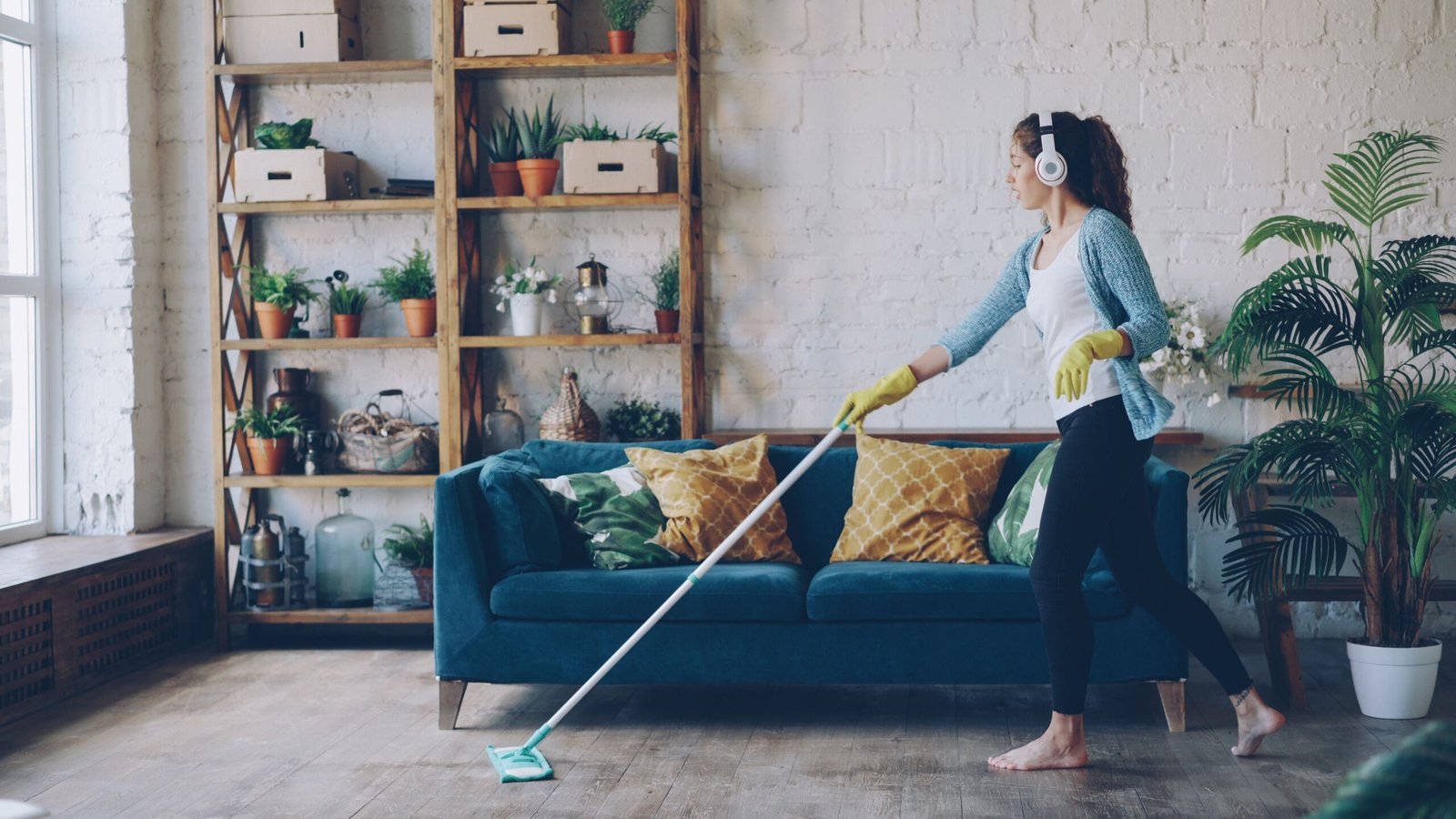
“Como limpar a casa” is a Portuguese phrase that means “how to clean the house.” Keeping your home clean and organized can make everyday life more comfortable, improve the appearance of your rooms, and help you maintain a pleasant living environment. However, cleaning can feel overwhelming when dust, laundry, dirty dishes, and clutter build up at the same time.
The good news is that you do not need expensive equipment or an entire day to achieve a cleaner home. With a simple plan, the right cleaning products, and a consistent routine, you can clean your house more efficiently and spend less time repeating the same tasks.
This 2026 home cleaning guide explains how to clean each room, organize household chores, remove common dirt, and establish habits that make cleaning easier. Whether you live in a small apartment or a large family home, these practical steps can help you keep your space fresh and organized.
Why Is It Important to Keep Your House Clean?
A clean house is more than a beautiful space. Regular cleaning helps remove dust, food residue, grease, and everyday dirt from frequently used surfaces. Cleaning high-touch areas, such as door handles, light switches, and kitchen counters, can also help reduce the spread of germs.
An organized home can make everyday activities easier because you spend less time searching for belongings or moving items out of the way. Many people also find that a tidy environment feels more relaxing and makes it easier to concentrate.
Regular cleaning can help prevent unpleasant odors, reduce food-related pest problems, and identify issues such as leaks, mold, or damaged surfaces before they become more serious.
The key is to focus on consistent maintenance rather than perfection. Your house does not need to look like a showroom every day. A few manageable tasks performed regularly can make a noticeable difference.
What Do You Need to Clean Your House?
Before you start, gather the supplies you will need. Having everything ready prevents unnecessary interruptions and helps you move efficiently from one room to another.
Useful household cleaning supplies include:
- Microfiber cloths: Ideal for wiping many hard surfaces and collecting dust.
- A broom and dustpan: Useful for sweeping floors and collecting loose dirt.
- A vacuum cleaner: Helps remove dust, crumbs, and debris from carpets, rugs, and suitable hard floors.
- A mop and bucket: Useful for cleaning floors with a compatible method.
- A suitable all-purpose cleaner: Helps remove everyday dirt from surfaces approved by the product label.
- Dishwashing liquid: Designed for washing dishes and removing food residue.
- A toilet brush and bathroom cleaner: Useful for cleaning toilet bowls and appropriate bathroom surfaces.
- Rubber gloves: Help protect your hands from cleaning products and dirty water.
- Trash bags and a laundry basket: Make it easier to collect waste and gather clothing.
You do not need to purchase every cleaning product available. Start with a small selection that suits your home and the surfaces you have.
Important safety tip: Never mix bleach with ammonia, vinegar, acids, toilet cleaners, or other cleaning products. Dangerous gases or chemical reactions may result. Follow product labels, ventilate the room, and keep cleaning products away from children and pets.
How to Clean Your House Step by Step
The easiest way to clean your house is to follow a clear order. Instead of jumping between rooms, complete similar tasks together and work from the top of each room toward the floor.
Follow this simple house cleaning routine:
- Declutter first. Put clothes in the laundry basket, return misplaced objects to their proper places, and throw away unnecessary rubbish.
- Dust high surfaces. Clean shelves, ceiling fans where safely accessible, furniture tops, and window sills before cleaning lower surfaces.
- Wipe furniture and counters. Use a suitable cloth and cleaner to remove dust, fingerprints, and stains.
- Clean the kitchen and bathroom. These areas often need more attention because of food residue, grease, moisture, and frequent use.
- Vacuum or sweep floors. Remove crumbs, hair, and loose dirt before mopping.
- Mop suitable hard floors. Use the correct cleaning solution for the floor material and avoid leaving excess water on wood or other water-sensitive surfaces.
- Empty the rubbish bins. Replace liners when needed and clean dirty bins.
- Check the results. Return supplies to storage, put items away, and make sure cleaned areas are dry.
This method prevents dust from settling on floors you have already cleaned. It also makes it easier to see your progress.
According to the CDC’s home cleaning guidance, ordinary cleaning with soap or detergent removes dirt and many germs. Disinfection is not usually necessary for every surface every day, but it may be appropriate when someone is ill or when specific contamination occurs. <Cite refs={[“turn260889search0″,”turn260889search1”]}/>
How to Clean the Kitchen, Bathroom, and Bedroom
Each room has different cleaning needs. Focusing on the surfaces and items that collect the most dirt helps you work more effectively.
Kitchen cleaning
Start by washing dishes and clearing the sink. Wipe countertops, cabinet handles, and the stovetop with products suitable for their materials. Clean food spills promptly, check the refrigerator for expired food, and sweep the floor.
After preparing raw meat, poultry, or seafood, carefully clean and sanitize food-contact surfaces using a product suitable for that purpose. Follow the label instructions, including any required contact time.
Bathroom cleaning
Apply an appropriate bathroom cleaner to the sink, taps, shower, and other compatible surfaces. Scrub away soap residue and visible grime, then rinse as directed. Clean the toilet using a dedicated toilet brush and suitable toilet cleaner. Finish by cleaning the floor and allowing damp surfaces to dry.
If you find mold, address the moisture source rather than simply covering the affected area with fragrance or paint. Persistent or extensive mold may require professional assessment.
Bedroom cleaning
Make the bed, collect dirty clothing, and put personal belongings away. Dust bedside tables, shelves, and other surfaces. Wash sheets and pillowcases regularly according to their care labels, and vacuum carpets or rugs when needed.
Living room cleaning
Organize cushions, fold blankets, wipe tables, dust electronics according to the manufacturer’s instructions, and vacuum upholstery where appropriate. Pay attention to frequently touched items such as remote controls and door handles.
How Often Should You Clean Your House?
A realistic schedule helps prevent dirt from accumulating. You do not have to deep-clean every room daily; instead, divide chores according to how frequently each area is used.
| Frequency | Recommended cleaning tasks |
|---|---|
| Daily | Wash dishes, wipe kitchen counters, tidy clutter, and clean obvious spills |
| Several times a week | Sweep high-traffic floors, wipe frequently touched surfaces, and manage laundry |
| Weekly | Clean bathrooms, dust furniture, vacuum floors, change bed linen as needed, and mop suitable floors |
| Monthly | Clean accessible light fixtures, wash selected curtains if appropriate, and inspect less-used areas |
| Seasonally | Deep-clean storage areas, sort belongings, and inspect behind movable furniture |
These are general guidelines, not strict rules. A busy household with children or pets may need more frequent cleaning, while a lightly used room may need less.
Prioritize high-touch surfaces, visible dirt, food spills, and damp areas. Adjust your routine to your household’s needs, particularly if someone is sick or has allergies. For most homes, regular cleaning is more important than using strong disinfectants everywhere. <Cite refs={[“turn260889search0″,”turn260889search9”]}/>
How to Clean Your House Faster and More Safely
If you have limited time, focus on the tasks that make the biggest difference. Set a timer for 15 or 20 minutes, choose one room, and work on the most noticeable mess first. You can also divide household responsibilities among family members to avoid leaving every chore to one person.
Try these practical tips:
- Use a cleaning checklist to keep track of completed tasks.
- Carry your supplies in one basket so you do not repeatedly walk back and forth.
- Use separate cloths for different areas, especially kitchens and bathrooms.
- Open windows when appropriate to improve ventilation while cleaning.
- Read product labels carefully and use the correct amount of cleaner.
- Wear gloves when recommended and wash your hands after handling cleaning products.
- Keep chemicals locked away from children and pets.
- Never mix cleaning products, particularly bleach with vinegar, ammonia, or acidic toilet cleaners.
For safer cleaning, follow the CDC’s guidance on cleaning and disinfecting with bleach. Incorrect mixing or use can create hazardous fumes, and some products can irritate the eyes, skin, and respiratory system. <Cite refs={[“turn260889search3″,”turn260889search9”]}/>
Remember that cleaning does not need to be exhausting. A few short sessions throughout the week can be easier to manage than leaving every task until the weekend.
Conclusion: Como Limpar a Casa Easily in 2026
Learning como limpar a casa, or how to clean the house, starts with a simple plan. Gather your supplies, remove clutter, dust from top to bottom, clean kitchens and bathrooms carefully, and finish by vacuuming or mopping the floors.
Maintain a realistic schedule that includes daily tidying, weekly cleaning, and occasional deep cleaning. Choose products that suit your surfaces, ventilate rooms when necessary, and never mix household chemicals.
Most importantly, aim for a clean, comfortable, and healthy home rather than perfection. By building small cleaning habits and following an organized routine, you can make household chores easier and enjoy a fresher living space throughout 2026.

Homeware Zone 2026: Home Essentials, Décor, and Smart Shopping Guide

Northbound I-41 Lanes Near Kaukauna Closed Due to Crash: 2026 Update

Coca-Cola Roxy: Complete Guide to Atlanta’s Popular Live Music Venue in 2026

Lucas’s or Lucas’: Which Possessive Form Is Correct? Grammar Rules, Examples, and Common Mistakes

Minecraft PlayBattleSquare: What It Is, How to Play, Features, and Complete Guide

Dallas Yocum: Biography, Career, Personal Life, and Everything You Need to Know
 Business3 months ago
Lucas’s or Lucas’: Which Possessive Form Is Correct? Grammar Rules, Examples, and Common Mistakes
- Entertainment3 months ago
Minecraft PlayBattleSquare: What It Is, How to Play, Features, and Complete Guide
- celebrity4 months ago
Dallas Yocum: Biography, Career, Personal Life, and Everything You Need to Know
- Entertainment3 months ago
TB Meaning Text: What Does TB Mean in Text Messages, Chat, and Social Media?
- Entertainment3 months ago
Get ThriftyEvents.net Blog: The Complete Guide to Affordable Event Planning and Memorable Celebrations
- Entertainment3 months ago
Start@ThriftyEvents.net: Your Complete Guide to Affordable Event Planning and Memorable Celebrations
- celebrity4 months ago
Kelsy Ully: Biography, Career, Marriage, Divorce, Net Worth, and Life Beyond the Spotlight
- celebrity4 months ago
Robin Stapler: Biography, Career, Personal Life, and Relationship History