
Blog
1995 Ford Explorer: Complete 2026 Guide, Specs, Features, and Review

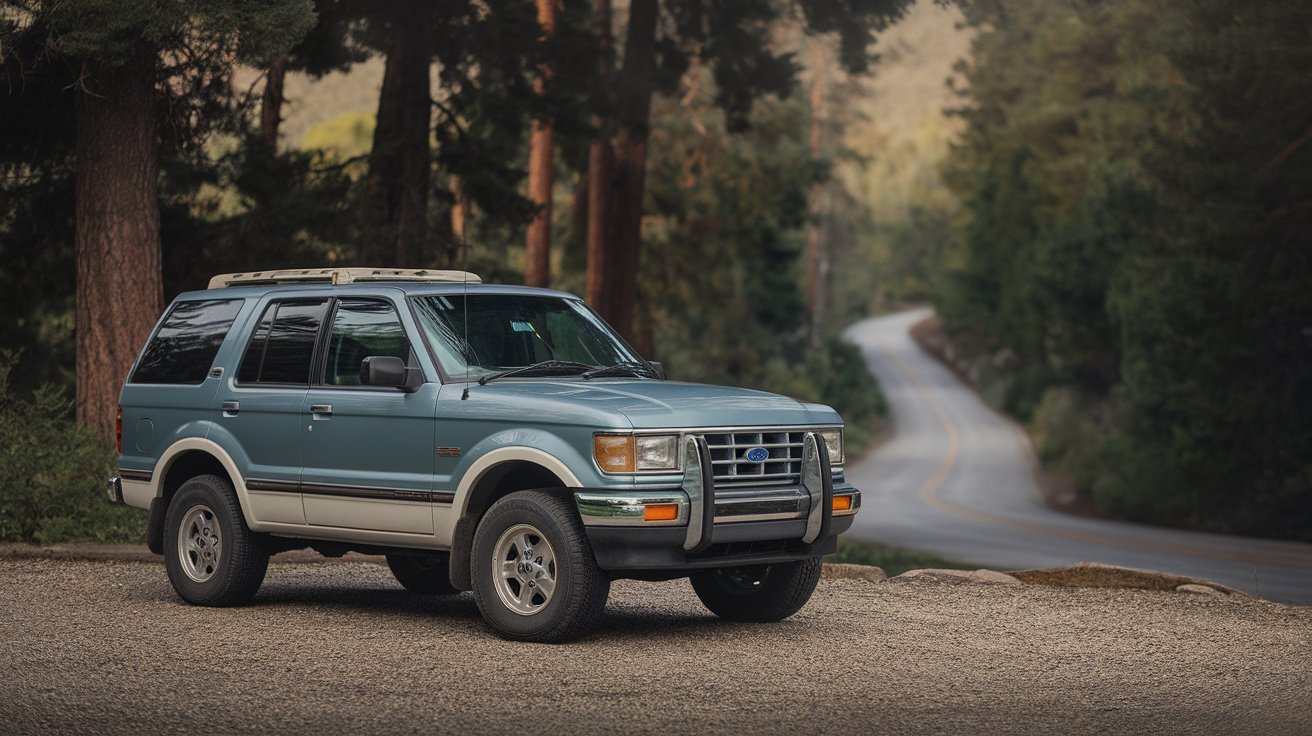
The 1995 Ford Explorer is an important model in the history of the American SUV because it helped establish the Explorer as a mainstream family-oriented sport utility vehicle. Today, in 2026, the second-hand market for these older SUVs is very different from the market when the Explorer was new, but the 1995 model remains interesting to enthusiasts, collectors, classic-SUV buyers, and people researching the development of Ford’s popular Explorer nameplate. With its 4.0-liter V6 engine, body-on-frame construction, available four-wheel drive, practical interior, and towing capability, the 1995 Explorer offered a combination of utility and everyday usability that helped define the SUV market of its era.
1995 Ford Explorer Overview
The 1995 Ford Explorer was offered in multiple configurations, including two-door and four-door versions, with both 4×2 and 4×4 drivetrains available. Ford’s original specifications show that the two-door Explorer measured about 178.6 inches in length, while the four-door version was substantially longer. The model used a ladder-type frame, reflecting its truck-based construction and emphasis on utility rather than the car-based design common among many modern compact SUVs.
Trim levels included versions such as the XL, XLT, Sport, Eddie Bauer, and Limited, giving buyers different combinations of equipment and styling. The Explorer could be ordered with a five-speed manual transmission or an optional four-speed automatic, depending on configuration. Higher trims were more likely to feature the automatic transmission as standard equipment.
In 2026, the age of the vehicle is one of its defining characteristics. A 1995 Explorer is now more than three decades old, meaning condition, maintenance history, originality, and rust protection can be more important than the original equipment list when evaluating a particular example.
Engine and Performance
The 1995 Explorer used a 4.0-liter V6 gasoline engine. Ford’s original specifications list the engine at 160 horsepower at 4,200 rpm and 225 lb-ft of torque at 2,800 rpm. The engine used multi-port electronic fuel injection and Ford’s EEC-IV engine-management system.
That output may appear modest by modern SUV standards, but the Explorer was designed around practical low- and mid-range performance rather than high-performance acceleration. The available 225 lb-ft of torque helped make the SUV useful for carrying passengers, hauling equipment, and towing.
Transmission choices included a five-speed manual overdrive and an available four-speed automatic overdrive. The drivetrain could be configured for rear-wheel drive or four-wheel drive depending on the model. The combination of a traditional V6, body-on-frame construction, and available 4×4 capability gave the Explorer a distinctly truck-based character.
4×2 and 4×4 Capability
One of the most significant choices for a 1995 Explorer buyer was the drivetrain. The model was available with 4×2 or 4×4, allowing customers to choose between a simpler rear-wheel-drive setup and a four-wheel-drive configuration intended for additional traction.
The 1995 Explorer’s 4×4 versions are especially interesting today because they represent an era when SUVs were still closely connected to traditional truck engineering. Ford specified an independent front suspension using torsion bars and a rear axle with variable-rate leaf springs. A limited-slip differential was also available.
This hardware helped the Explorer handle a variety of road and light-duty utility conditions. However, a vehicle this old should not be judged only by its original capability. In 2026, tire condition, suspension wear, drivetrain maintenance, brakes, steering components, and corrosion can have a major effect on how safely and effectively an individual Explorer performs.
Interior, Dimensions, and Cargo Space
The 1995 Explorer was designed to provide substantially more usable interior space than a traditional passenger car. Edmunds lists the four-door model at approximately 188.5 inches long, 70.2 inches wide, and 67 inches high, with a 111.5-inch wheelbase. The published maximum cargo capacity is approximately 82 cubic feet, depending on configuration.
The interior offered useful passenger space for its period. Edmunds lists approximately 39.8 inches of front headroom and 42.4 inches of front legroom, while rear passengers had approximately 39.3 inches of headroom and 37.7 inches of legroom.
The four-door version was particularly practical for families because rear passengers could enter and exit more easily than in the two-door Sport model. The two-door Explorer Sport, meanwhile, had a shorter body and a more compact appearance, making it one of the more distinctive configurations from this generation.
Fuel Economy and Towing Capacity
Fuel economy was not the primary reason people purchased a truck-based SUV in the mid-1990s. Depending on drivetrain, transmission, and trim, published EPA figures for the 1995 Explorer generally fall in the mid-teens to around 20 mpg on the highway. For example, Edmunds lists 16 mpg city and 21 mpg highway for one rear-wheel-drive configuration, while a four-wheel-drive XLT is listed at 15 mpg city and 20 mpg highway.
The Explorer used a 21-gallon fuel tank, giving it a useful driving range despite its relatively modest fuel economy.
Towing was another important strength. Published specifications list a maximum towing capacity of up to 5,000 pounds, with a standard payload figure of around 900 pounds for the configurations listed by Edmunds. Actual towing capability can depend on the specific drivetrain, equipment, hitch, and condition of the vehicle.
Reliability and Maintenance in 2026
Buying a 1995 Ford Explorer in 2026 requires a different approach than buying a modern used SUV. Age-related deterioration can be more important than the original mileage. A well-maintained Explorer with a documented history may be a much better purchase than a low-mileage example that has spent years neglected.
Important areas to inspect include the engine, transmission, cooling system, suspension, brakes, steering, electrical components, exhaust system, and frame/body for corrosion. Four-wheel-drive models deserve additional attention to their drivetrain components. Rubber hoses, seals, bushings, belts, and other aging components may also require replacement simply because of their age.
The original Explorer did not have the modern collection of airbags and driver-assistance technologies found in contemporary vehicles. Edmunds lists no side-mounted or head airbags for the configurations in its 1995 specifications.
For that reason, anyone considering an old Explorer as transportation should place a strong emphasis on overall mechanical condition and safety inspection, rather than assuming that an older SUV provides the same safety technology as a modern vehicle.
Is the 1995 Ford Explorer Worth Considering in 2026?
The answer depends heavily on what the buyer wants. The 1995 Ford Explorer can be appealing as a classic SUV, project vehicle, occasional utility vehicle, or piece of Ford history. Its traditional construction, V6 engine, available 4×4 system, useful cargo capacity, and distinctive 1990s styling give it character that newer crossovers do not necessarily reproduce.
On the other hand, it is important to remember that this is a vehicle from 1995. Fuel economy is relatively low compared with modern SUVs, technology is dated, and safety equipment is significantly less comprehensive than what is available today. Maintenance requirements can also be substantial because of the vehicle’s age.
For collectors and enthusiasts, however, those limitations can be part of the appeal. A clean, original, properly maintained example can provide an authentic look at the period when the Ford Explorer was becoming one of America’s best-known SUVs.
Conclusion
The 1995 Ford Explorer remains an interesting classic SUV in 2026 because it combines traditional body-on-frame construction, a 4.0-liter V6, available 4×4 capability, practical cargo space, and a maximum towing rating of up to 5,000 pounds.
Although it cannot match a modern SUV for fuel efficiency, technology, comfort features, or advanced safety systems, the 1995 Explorer has historical importance and a distinctive character. For anyone researching classic Ford SUVs or considering one as a project or enthusiast vehicle, its condition, maintenance history, drivetrain configuration, and corrosion status should be the primary considerations in 2026.
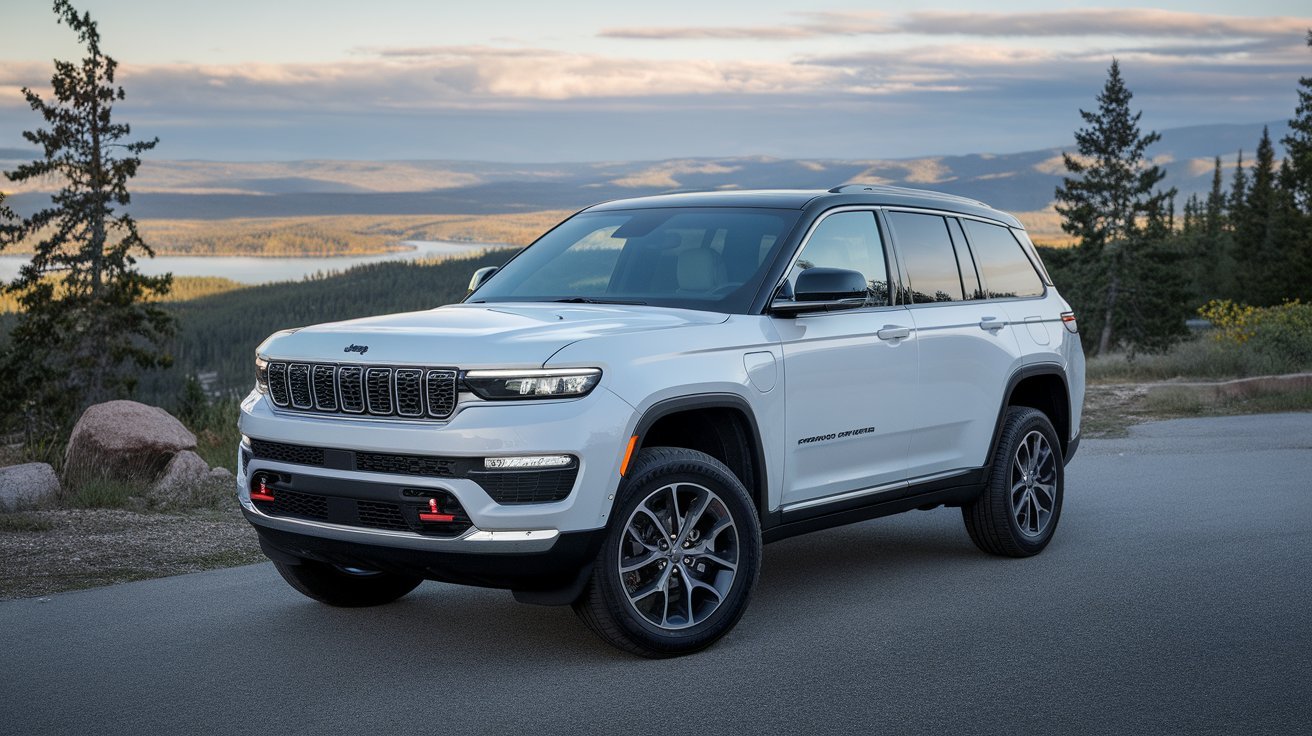
The 2025 Jeep Grand Cherokee 4xe combines the traditional capability of the Grand Cherokee with plug-in hybrid technology. Instead of relying only on gasoline, the 4xe uses a turbocharged engine and electric motor to deliver strong performance while allowing drivers to complete shorter journeys using electric power.
For the 2025 model year, the Grand Cherokee 4xe produces 375 horsepower and 470 lb-ft of torque, offers a manufacturer-estimated 25 miles of all-electric range, and can tow up to 6,000 pounds when properly equipped. Jeep also gives the 4xe genuine off-road equipment, including available four-wheel-drive systems and a water-sealed battery pack.
What Is the 2025 Jeep Grand Cherokee 4xe?
The Jeep Grand Cherokee 4xe is a plug-in hybrid electric SUV (PHEV) based on the Grand Cherokee platform. Unlike a conventional hybrid that primarily charges itself through regenerative braking and the engine, a plug-in hybrid can be connected to an external charger to replenish its battery.
The 2025 4xe uses a 2.0-liter turbocharged four-cylinder engine combined with an electric motor and high-voltage battery system. Jeep’s specifications list 270 horsepower from the gasoline engine and a total system output of 375 horsepower. Combined torque reaches 470 lb-ft.
This powertrain gives the Grand Cherokee 4xe two important characteristics: the ability to drive using electric power for shorter trips and the long-distance flexibility of a gasoline engine.
Jeep offers the 4xe in several configurations, including Limited 4xe, Overland 4xe, Trailhawk 4xe and Summit 4xe, with availability depending on market and equipment. Mopar’s 2025 model listing confirms the various 4xe configurations and their 2.0-liter electric/gas powertrain.
2025 Grand Cherokee 4xe Performance and Powertrain
Performance is one of the strongest features of the 2025 Grand Cherokee 4xe.
The turbocharged 2.0-liter engine works together with the electric motor to produce 375 total horsepower and 470 lb-ft of torque. The electric motor can provide immediate torque, while the gasoline engine provides additional power for sustained driving and longer journeys.
Jeep provides three primary operating modes:
- Hybrid Mode combines gasoline and electric power.
- Electric Mode prioritizes battery power for electric driving.
- eSave Mode preserves battery energy for later use.
Jeep says the 4xe can deliver a manufacturer-estimated 56 MPGe and approximately 25 miles of all-electric range. The actual range and efficiency can vary according to driving style, weather, terrain, traffic and other conditions.
For drivers with short daily commutes, the electric range can potentially reduce gasoline use when the vehicle is regularly charged.
Electric Range and Charging
The 2025 Jeep Grand Cherokee 4xe electric range is rated at approximately 25 miles under the manufacturer’s estimate for the U.S. market. This is intended primarily for shorter trips rather than replacing gasoline driving on long-distance journeys.
The 4xe can be charged using an external power source. Jeep also promotes an available Level 2 PHEV Home Charging Station, which can recharge the vehicle significantly faster than a standard Level 1 connection. Jeep’s charging information says the Level 2 system can be up to six times faster than standard Level 1 charging.
Charging regularly is particularly useful for owners who want to take advantage of the vehicle’s electric-driving capability. A driver who starts each day with a full battery can use electric power for suitable short journeys before the gasoline engine becomes more important.
The vehicle also includes different energy-management settings so drivers can decide when to use or conserve available battery energy.
Off-Road Capability of the Grand Cherokee 4xe
One of the most distinctive aspects of the Grand Cherokee 4xe is that electrification does not eliminate its Jeep off-road character.
Depending on configuration, the 4xe can use Jeep’s Quadra-Trac II 4×4 system, while certain versions can be equipped with Quadra-Drive II. Quadra-Trac II incorporates a two-speed transfer case and low range for additional off-road capability. Quadra-Drive II adds an electronic limited-slip rear differential that can direct available torque where it is needed.
The Trailhawk 4xe is particularly focused on off-road driving. Jeep lists up to 10.9 inches of ground clearance for the Trailhawk 4xe in the appropriate air-suspension setting, together with substantial approach, departure and breakover angles.
The high-voltage battery is also protected for demanding conditions. Jeep describes the 4xe battery pack as water sealed, allowing the vehicle to handle water up to 24 inches deep under the specified conditions.
This combination makes the Grand Cherokee 4xe unusual among plug-in hybrid SUVs because its electrified powertrain is paired with genuine four-wheel-drive hardware and off-road engineering.
2025 Jeep Grand Cherokee 4xe Towing Capacity
The 2025 Grand Cherokee 4xe towing capacity reaches 6,000 pounds when properly equipped with the appropriate trailer-tow equipment. Jeep’s owner’s documentation lists the maximum 4xe trailer weight at 6,000 pounds with the Trailer Tow Prep Group.
Without the factory trailer-tow preparation, the documented maximum is lower, at 3,500 pounds. Trailer tongue weight, passengers, cargo and other factors must also remain within the vehicle’s specified limits.
For owners planning to tow, it is therefore important to verify the exact equipment installed on the vehicle rather than assuming that every 4xe has the maximum rating.
The 6,000-pound rating gives the 4xe practical flexibility for activities such as towing recreational equipment, trailers or other appropriately sized loads.
Interior, Comfort and Technology
The Grand Cherokee has traditionally positioned itself between rugged SUV capability and a more refined passenger-car experience, and the 4xe follows that approach.
Depending on trim, the 2025 model can provide premium seating materials, advanced infotainment, connected services, driver-assistance technology and upgraded audio systems.
The higher-end Summit Reserve configuration is especially focused on luxury, with premium interior materials and available features such as a McIntosh audio system and passenger-screen technology. Jeep’s broader Grand Cherokee range has also offered features designed to improve comfort for long-distance travel.
The 4xe’s cabin is therefore intended to work for several types of driving: daily commuting, family transportation, road trips and off-road adventures.
Its five-seat configuration also leaves the vehicle focused on providing passenger and cargo space without adding the third row found in the Grand Cherokee L.
2025 Grand Cherokee 4xe Dimensions and Practicality
The 2025 Grand Cherokee 4xe measures approximately 193.5 inches long, with a 116.7-inch wheelbase and a listed width of 84.6 inches including the relevant body specification. The 4xe’s published base curb weight is approximately 5,368 pounds, reflecting the additional weight associated with its electrified powertrain.
The vehicle combines this substantial size with an air-suspension system on applicable configurations. This can provide different ride-height settings for road use and off-road situations.
The added weight of the hybrid system is an important practical consideration, but it also contributes to the vehicle’s strong torque and electric-driving capability.
For everyday owners, the most significant advantage is flexibility: the 4xe can operate as an electric vehicle for suitable short trips, a hybrid for normal driving and a gasoline-powered long-distance SUV when the battery’s usable electric energy has been depleted.
Is the 2025 Jeep Grand Cherokee 4xe Still Relevant in 2026?
In 2026, the 2025 Grand Cherokee 4xe remains an interesting option for buyers researching used or remaining-stock plug-in hybrid SUVs.
Its combination of 375 horsepower, 470 lb-ft of torque, 25 miles of estimated electric range and up to 6,000 pounds of towing capacity gives it a broad range of capabilities.
Its biggest distinction is the way Jeep combines PHEV technology with serious off-road hardware. The Trailhawk 4xe, for example, brings electrification together with substantial ground clearance and specialized off-road geometry.
For potential buyers in 2026, condition, battery health, charging equipment, service history and the exact trim should all be considered when evaluating a used 4xe.
Final Thoughts on the 2025 Jeep Grand Cherokee 4xe
The 2025 Jeep Grand Cherokee 4xe is a plug-in hybrid SUV designed to combine electric driving, gasoline flexibility, strong performance and Jeep off-road capability.
Its 2.0-liter turbocharged powertrain produces 375 horsepower and 470 lb-ft of torque, while the battery system provides a manufacturer-estimated 25 miles of electric range. It can also tow up to 6,000 pounds when properly equipped.
What makes the 4xe especially distinctive is its ability to combine these electrified characteristics with available Quadra-Trac II, Quadra-Drive II and Trailhawk off-road equipment.
For drivers who want a versatile SUV capable of handling daily electric commuting while retaining gasoline range and traditional Jeep capability, the 2025 Grand Cherokee 4xe offers a distinctive approach to plug-in hybrid SUV design in 2026.
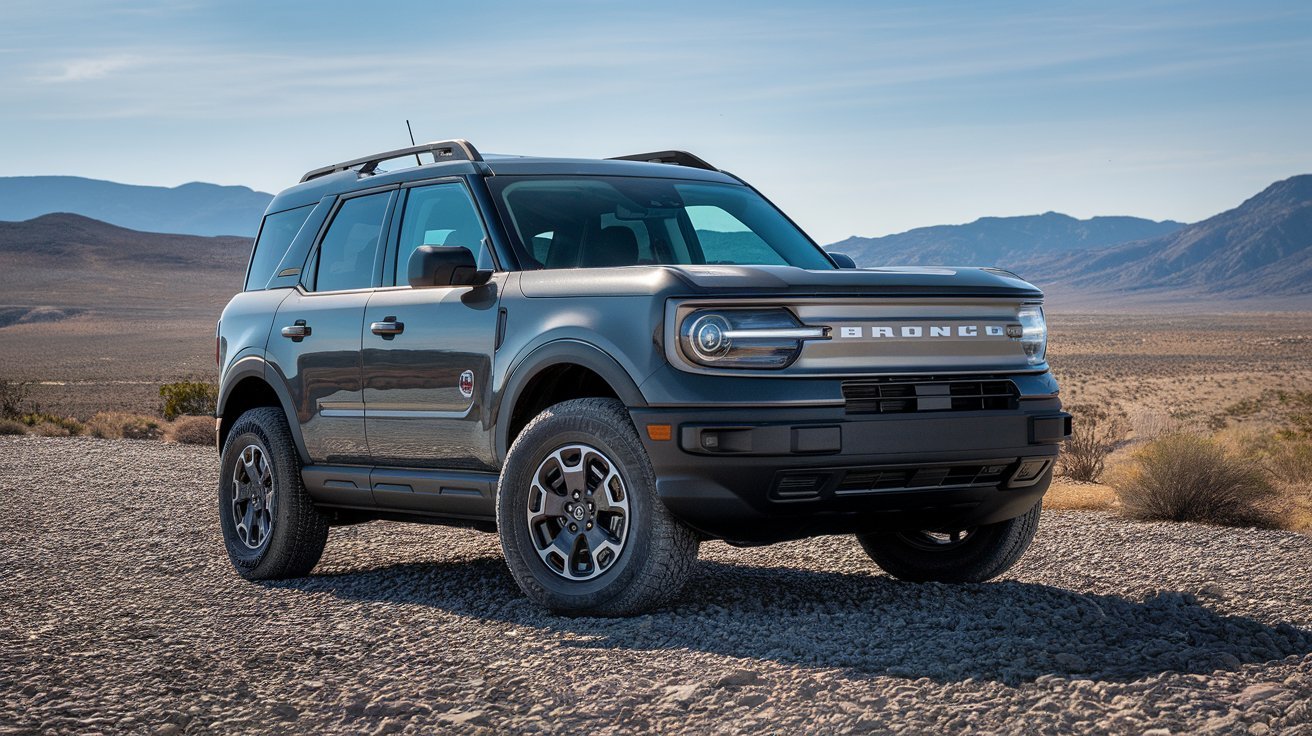
The 2026 Ford Bronco Sport Big Bend is designed for drivers who want a compact SUV with everyday practicality and genuine off-road character. Positioned above the entry-level concept of a basic crossover, the Big Bend combines standard 4×4 capability, G.O.A.T. Modes, HOSS suspension technology, useful cargo space, modern connectivity, and a turbocharged engine.
For 2026, Ford continues to position the Big Bend as a versatile member of the Bronco Sport family. It receives new available appearance and off-road packages, new exterior colors, and updated connectivity options. Ford lists the Big Bend with a 1.5-liter EcoBoost engine producing 180 horsepower and 200 lb-ft of torque, an eight-speed automatic transmission, and standard 4×4.
2026 Ford Bronco Sport Big Bend Engine and Performance
The 2026 Bronco Sport Big Bend uses Ford’s 1.5-liter EcoBoost turbocharged three-cylinder engine. It produces 180 horsepower and 200 lb-ft of torque and is paired with an eight-speed automatic transmission. Unlike many compact SUVs where all-wheel drive may be optional, the Big Bend comes with standard 4×4.
The engine is intended to balance useful performance with everyday fuel economy. Ford lists EPA-estimated fuel economy of 25 mpg city, 30 mpg highway, and 27 mpg combined for the 1.5-liter Big Bend. Actual fuel consumption can vary according to driving conditions, weather, vehicle load, tires, and driving habits.
The eight-speed automatic transmission provides the convenience expected from a modern daily-use SUV while the standard 4×4 system gives the Big Bend additional capability when roads become slippery or unpaved.
The Big Bend is not equipped with the larger 2.0-liter EcoBoost available elsewhere in the Bronco Sport range. That engine produces 250 horsepower and 280 lb-ft of torque and is associated with more advanced 4×4 hardware on higher trims.
Standard 4×4 and G.O.A.T. Modes
One of the most important reasons shoppers consider the 2026 Ford Bronco Sport Big Bend is its standard four-wheel-drive system. Ford also equips the model with a Terrain Management System featuring five G.O.A.T. Modes, with G.O.A.T. standing for “Goes Over Any Type of Terrain.”
The five standard modes are:
- Normal for everyday driving
- ECO for efficiency-focused driving
- Sport for a more responsive driving experience
- Slippery for surfaces such as rain, snow, or ice
- Off-Road for loose terrain and conditions where maintaining momentum is important
These selectable modes adjust vehicle systems according to the selected terrain and driving situation. The Off-Road setting is particularly useful when leaving paved roads for dirt, gravel, sand, or other loose surfaces.
The Big Bend also uses the HOSS 1.0 suspension system, which is part of Ford’s broader effort to give the Bronco Sport a more capable chassis on uneven terrain.
2026 Bronco Sport Big Bend Off-Road Capability
Although the Bronco Sport is smaller than the full-size Bronco, the Big Bend is designed to provide more off-road ability than a conventional urban crossover. Standard equipment includes 225/65R17 all-season tires, while the available Black Diamond Off-Road Package adds more specialized hardware.
The Black Diamond Off-Road Package can add features such as all-terrain tires, steel skid plates, recovery equipment, and other trail-oriented equipment. Ford also offers a newer Bronze + Black Diamond Off-Road Package for the 2026 Big Bend.
The standard Big Bend has approximately 7.8 inches of minimum ground clearance, according to Ford’s fleet specifications. That is sufficient for many dirt roads and moderate trails, while shoppers seeking greater clearance and more aggressive equipment can look at higher Bronco Sport configurations and packages.
The available off-road equipment makes the Big Bend more adaptable for camping trips, forest roads, gravel trails, and weekend adventures without sacrificing its suitability for regular commuting.
Exterior Design and 2026 Big Bend Features
The Bronco Sport Big Bend retains the distinctive design language associated with the Bronco family. Its upright profile, squared-off body, prominent grille, roof rails, and Bronco lettering give it a rugged appearance while keeping its overall dimensions manageable for city driving.
The 2026 Big Bend comes standard with 17-inch Carbonized Gray-painted high-gloss aluminum wheels, a body-color roof, black roof-rack side rails, LED headlamps, a manual liftgate, and a flip-up rear glass.
Ford introduced two new exterior colors for the 2026 Bronco Sport lineup: Orange Fury Metallic Tri-Coat and Space White Metallic. The Big Bend also gains access to new package combinations, including the Bronze Package and Bronze + Black Diamond Off-Road Package.
Available equipment can include steel underbody protection, an engine skid plate, recovery hooks, a front brush guard, roof-rail crossbars, and cargo-management equipment.
These options allow buyers to configure the vehicle according to how they intend to use it rather than paying for the same equipment on every version.
Interior, Technology and Cargo Space
Inside, the 2026 Ford Bronco Sport Big Bend combines practical materials with modern technology. The standard cabin includes easy-to-clean cloth front bucket seats, an eight-inch instrument cluster, and a large 13.2-inch center touchscreen. Ford also provides wireless Apple CarPlay and Android Auto compatibility.
The Big Bend is designed for active lifestyles, so practical storage is an important part of the interior. Ford offers an available MOLLE strap system, while the rear seat folds in a 60/40 split configuration. Available cargo-management equipment can further improve the usefulness of the rear area.
Ford lists 32.5 cubic feet of cargo capacity behind the second row for the 1.5-liter Bronco Sport and up to 65.2 cubic feet behind the first row with the rear seats folded.
That makes the Big Bend suitable for everyday shopping as well as camping equipment, luggage, sports gear, and outdoor supplies.
2026 Ford Bronco Sport Big Bend Packages
One of the strongest aspects of the Big Bend is the range of available packages. For 2026, Ford highlights the Bronze Package, Bronze + Black Diamond Off-Road Package, Black Appearance Package, and other options.
The Bronze Package focuses primarily on appearance, while the Black Diamond Off-Road Package is aimed at buyers who intend to spend more time away from paved roads.
A Convenience Package is also available and can add useful equipment for everyday ownership. Ford’s 2026 updates include moving adjustable liftgate floodlights into the available Convenience Package on Big Bend rather than making them standard.
Ford also offers new connectivity and security options for 2026, giving buyers more ways to personalize the vehicle around their technology and ownership requirements.
2026 Ford Bronco Sport Big Bend Dimensions and Practicality
The compact dimensions of the Bronco Sport make it easier to maneuver than a larger off-road SUV. Ford lists the Big Bend with a 105.1-inch wheelbase, approximately 173.1 inches of overall length, 74.3 inches of width without mirrors, and approximately 70.4 inches of height depending on configuration.
The interior provides seating for five people, with Ford listing approximately 42.4 inches of front legroom and 36.9 inches of rear legroom. Passenger volume is listed at up to 105.6 cubic feet without a moonroof.
The vehicle’s relatively compact footprint makes it practical for urban parking and narrow roads while preserving enough interior space for passengers and cargo.
2026 Ford Bronco Sport Big Bend Towing and Everyday Use
The Big Bend can also be configured for light towing. Ford states that the available Class II Trailer Tow Package gives the 2026 Bronco Sport Big Bend a maximum towing capacity of 2,200 pounds.
This capability can be useful for small recreational trailers, lightweight equipment, or other appropriately rated loads. Buyers should always confirm the exact vehicle configuration, trailer weight, tongue weight, and applicable towing requirements before hauling.
For everyday driving, the Big Bend’s combination of 27-mpg combined EPA-estimated fuel economy, standard 4×4, five-passenger seating, useful cargo volume, and compact dimensions makes it a versatile alternative to larger body-on-frame SUVs.
Final Thoughts on the 2026 Ford Bronco Sport Big Bend
The 2026 Ford Bronco Sport Big Bend occupies an interesting position in Ford’s SUV lineup. It offers the distinctive Bronco family design and standard 4×4 capability without the larger dimensions of the full-size Bronco.
Its 180-horsepower 1.5-liter EcoBoost engine, eight-speed automatic transmission, five G.O.A.T. Modes, HOSS 1.0 suspension, practical cargo area, and available Black Diamond Off-Road equipment make it suitable for both daily transportation and weekend adventures.
For 2026, the addition of new colors, package choices, connectivity options, and updated equipment gives shoppers more ways to personalize the Big Bend. With 32.5 cubic feet of standard cargo capacity behind the second row, up to 65.2 cubic feet with the rear seats folded, and available towing capability of 2,200 pounds, it also provides useful practicality for active owners.
The result is a compact SUV that emphasizes versatility, four-wheel-drive capability, technology, cargo space, and recognizable Bronco styling while remaining approachable as an everyday vehicle.
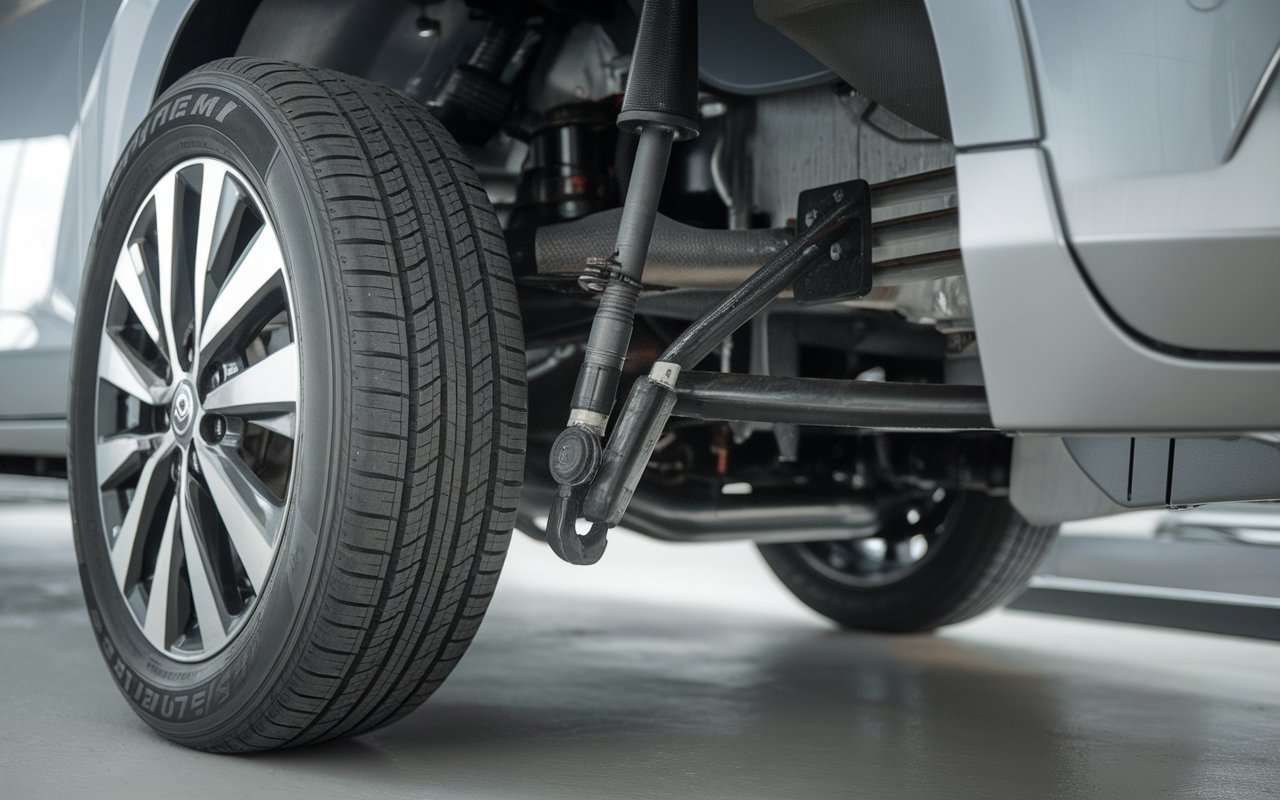
If we are searching for sway bar links for a 2017 Nissan Altima, we are usually dealing with an important part of the car’s front suspension. Also called stabilizer bar links, sway bar end links, or connecting rods, these components connect the stabilizer bar to the suspension and help control unwanted body movement when the vehicle corners, changes direction, or travels over uneven pavement.
For the 2017 Nissan Altima, correct fitment matters because Nissan catalogs different stabilizer-bar components according to engine, trim, and suspension configuration. The official Nissan Parts Store lists different stabilizer links and stabilizer bars for various 2017 Altima configurations.
Understanding what the sway bar links do, how they fail, what symptoms to watch for, and how to select replacement parts can make suspension maintenance considerably easier.
What Are Sway Bar Links on a 2017 Nissan Altima?
A sway bar link is a small but important suspension component. The stabilizer bar itself helps resist excessive body roll during cornering, while the end links connect the bar to the suspension assembly so forces can be transferred between the two.
When the Altima turns, the suspension on the outside of the corner compresses while the inside suspension extends. The stabilizer system helps manage this difference in movement. A properly functioning link allows the stabilizer bar to perform its job without excessive looseness or unwanted movement.
The 2017 Altima uses front stabilizer-bar components, and Nissan’s parts catalog identifies dedicated suspension stabilizer bar link kits. For example, Nissan lists part 54618-3JA0C as a right-side stabilizer link for applicable 2017 Altima configurations and 54668-3JA0C as a left-side link in its suspension catalog.
Because several 2017 Altima configurations exist, we should always verify the vehicle’s exact trim, engine, suspension setup, and VIN before ordering.
Common Symptoms of Bad Sway Bar Links
Worn sway bar links can produce several recognizable symptoms. One of the most common is a clunking or knocking noise from the front suspension, especially when driving over potholes, speed bumps, rough pavement, or small repetitive bumps.
A damaged link may also have excessive play in its joints. As the connection becomes loose, the stabilizer bar cannot respond as precisely to suspension movement. Drivers may notice that the vehicle feels different when cornering, although a bad end link does not necessarily cause dramatic changes in normal driving.
Other possible signs include:
- Clunking or rattling over bumps
- Loose or worn link joints
- Increased body movement during cornering
- Uneven or unusual suspension noises
- Visible damage to the link or its joint boots
- A suspension feeling that is less controlled than before
These symptoms are not exclusive to sway bar links. Struts, control arms, bushings, ball joints, tie-rod components, and other suspension parts can create similar noises. For that reason, a proper inspection is preferable to replacing parts based only on sound.
Which Sway Bar Links Fit the 2017 Nissan Altima?
This is where careful parts identification becomes especially important. Nissan’s official parts catalog shows that the 2017 Nissan Altima was sold with multiple engine and suspension configurations, including 2.5-liter four-cylinder and 3.5-liter V6 versions. The catalog therefore contains multiple stabilizer-bar assemblies and related components.
For applicable configurations, Nissan lists:
- 54618-3JA0C — right stabilizer link
- 54668-3JA0C — left stabilizer link
The Nissan catalog lists these links for Altima applications among several Nissan models.
Other 2017 Altima configurations use different stabilizer-link part numbers. Nissan’s catalog for some non-sport-suspension versions lists 56261-3TA0D for the left stabilizer link and 56261-3TA0C for the right stabilizer link.
This is why simply searching for “2017 Nissan Altima sway bar link” is not always sufficient. The correct part depends on the exact vehicle configuration.
Sway Bar Links vs. Sway Bar Bushings
Sway bar links and stabilizer-bar bushings are related components, but they perform different jobs.
The link connects the stabilizer bar to the suspension. The bushing, by contrast, helps secure the stabilizer bar to the vehicle while allowing controlled movement. Nissan’s 2017 Altima parts catalogs list both components separately.
This distinction is important when diagnosing a suspension noise. A mechanic may find that the noise comes from a worn bushing rather than the end link itself. Nissan lists different bushings depending on the suspension and engine configuration, further demonstrating why exact fitment is important.
Replacing an end link will not necessarily eliminate a noise caused by a worn bushing, strut, control arm, or another suspension component.
How Sway Bar Links Are Replaced
Replacing a 2017 Nissan Altima sway bar link requires safely lifting and supporting the vehicle before removing the wheel and accessing the suspension connection. The old link is then disconnected from the stabilizer/suspension assembly, the mounting surfaces are inspected, and the replacement is installed.
A replacement procedure for 2013–2018 Nissan Altima models demonstrates the general end-link replacement process and identifies the end link as the connection between the stabilizer bar and suspension. The procedure also emphasizes that suspension fasteners can become seized and may require cleaning and penetrating lubricant.
The exact procedure and torque specifications should be confirmed against the appropriate Nissan service information for the specific vehicle. A torque specification shown in an aftermarket repair video should not automatically be assumed to apply to every configuration or fastener.
Because suspension components are safety-related, we should use appropriate jack stands or a professional lift rather than relying on a jack alone.
Should We Replace One Sway Bar Link or Both?
If only one sway bar link is confirmed to be defective, replacement of that individual component may be appropriate. However, because the left and right links operate in the same general environment and experience similar road conditions, it is sensible to inspect both sides at the same time.
If one link has significant wear and the other has comparable mileage or visible deterioration, replacing both can prevent another repair shortly afterward. Whether both should actually be replaced depends on their condition, not simply on the fact that they are a pair.
A professional inspection can identify looseness, damaged boots, corrosion, or other evidence of wear on each side.
Choosing OEM or Aftermarket Sway Bar Links
When buying replacement links, we have two broad choices: OEM Nissan parts and aftermarket components.
OEM parts are designed for the vehicle’s specified application, and Nissan’s official catalog provides part numbers that can be checked against the vehicle configuration. This can make OEM selection straightforward when exact fitment is important.
Aftermarket links can provide additional choices at different price points. However, quality and fitment can vary between manufacturers. We should check the manufacturer’s application data, warranty, construction, and compatibility rather than choosing solely according to the lowest price.
For either type, matching the exact 2017 Altima configuration is more important than assuming that every 2017 Altima uses the same link.
Frequently Asked Questions About 2017 Nissan Altima Sway Bar Links
What is another name for a sway bar link?
A sway bar link can also be called a stabilizer bar link, stabilizer link, or sway bar end link. Nissan’s parts catalog commonly uses terminology such as “stabilizer link” and “rod assembly-connecting, stabilizer.”
How do I know if my Altima sway bar link is bad?
A clunking noise over bumps, visible joint damage, or excessive play during an inspection can indicate a worn link. Similar noises can come from other suspension components, so diagnosis should confirm the source.
Are left and right sway bar links the same?
Not necessarily. Nissan catalogs left- and right-side stabilizer links separately for certain 2017 Altima configurations.
Do all 2017 Nissan Altimas use the same sway bar link?
No. The 2017 Altima was offered in different configurations, and Nissan’s catalog shows multiple stabilizer-link part numbers. VIN-based fitment verification is therefore recommended before ordering.
Can I drive with a bad sway bar link?
A vehicle with a suspected suspension fault should be inspected promptly. A damaged link can affect the operation of the stabilizer system, and continuing to drive with a loose or broken suspension component can create additional safety concerns.
Conclusion
The sway bar links on a 2017 Nissan Altima are relatively small suspension components, but they play an important role in connecting the stabilizer bar to the suspension. Worn links can produce clunking noises, looseness, and changes in suspension behavior, particularly over uneven roads.
The most important point when replacing one is correct fitment. Nissan’s official parts information shows that 2017 Altima models can use different stabilizer components depending on engine, trim, and suspension configuration.
Before ordering, we should verify the VIN, engine, trim, suspension type, and left/right position. Once the correct part has been identified, a quality replacement and proper installation can restore the stabilizer system’s intended operation and help keep the Altima’s suspension performing as designed.

2025 Jeep Grand Cherokee 4xe: Complete Plug-In Hybrid SUV Guide for 2026

Flap to the Future: A Complete Guide to the Flight Adaptations Game in 2026

2026 Ford Bronco Sport Big Bend: Price, Engine, 4×4, MPG, Features and Off-Road Capability

Lucas’s or Lucas’: Which Possessive Form Is Correct? Grammar Rules, Examples, and Common Mistakes

Minecraft PlayBattleSquare: What It Is, How to Play, Features, and Complete Guide

TB Meaning Text: What Does TB Mean in Text Messages, Chat, and Social Media?
 Business2 months ago
Lucas’s or Lucas’: Which Possessive Form Is Correct? Grammar Rules, Examples, and Common Mistakes
- Entertainment2 months ago
Minecraft PlayBattleSquare: What It Is, How to Play, Features, and Complete Guide
- Entertainment2 months ago
TB Meaning Text: What Does TB Mean in Text Messages, Chat, and Social Media?
- celebrity3 months ago
Dallas Yocum: Biography, Career, Personal Life, and Everything You Need to Know
- celebrity3 months ago
Kelsy Ully: Biography, Career, Marriage, Divorce, Net Worth, and Life Beyond the Spotlight
- Entertainment2 months ago
Start@ThriftyEvents.net: Your Complete Guide to Affordable Event Planning and Memorable Celebrations
- celebrity3 months ago
Robin Stapler: Biography, Career, Personal Life, and Relationship History
- Entertainment2 months ago
Get ThriftyEvents.net Blog: The Complete Guide to Affordable Event Planning and Memorable Celebrations